Food and Beverage Shipping & Logistics
Freight Execution You Can Count On
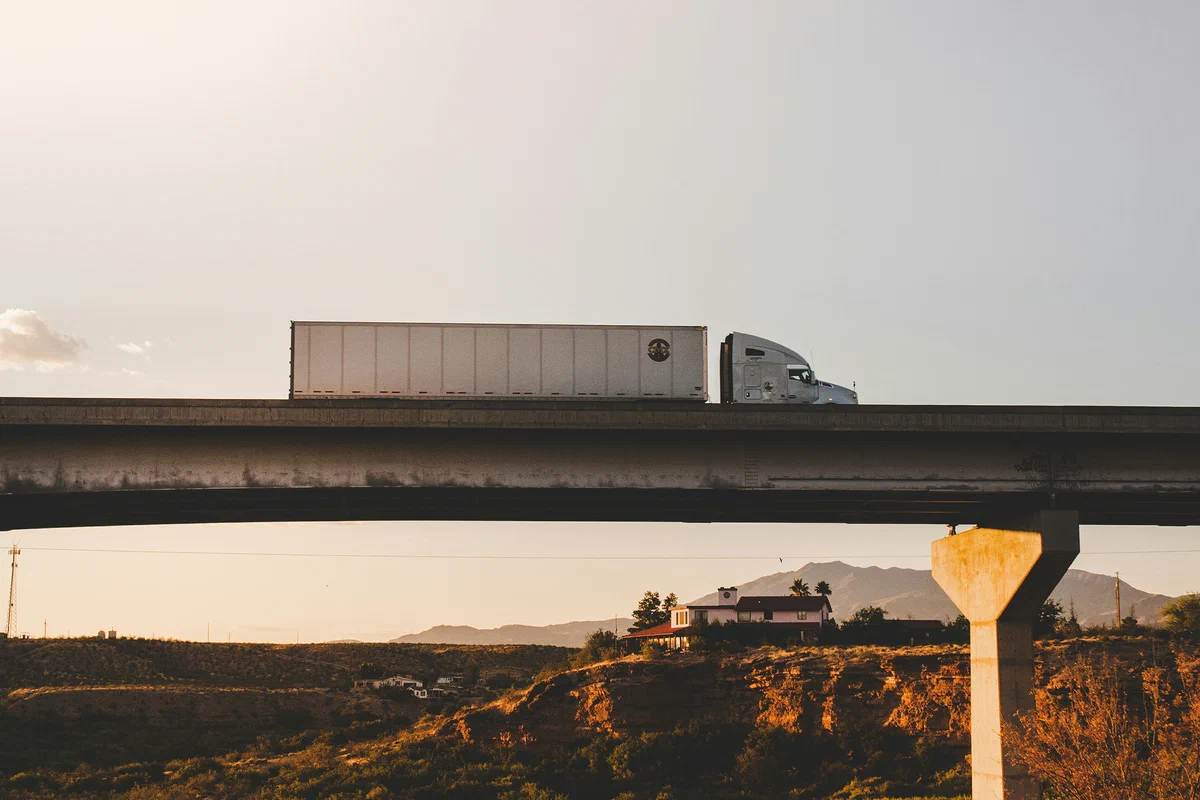 A semi truck driving over a bridge.
Food and Beverage Logistics
Food Shipping Requires Timing, Temperature Control, and Clean Execution
Food and beverage logistics need to be handled by carriers with high-caliber service and the ability to meet delivery deadlines.
Food Shipping Solutions
Our Beverage and Food Shipping Solutions
- Refrigerated Food Shipping
- Temperature control is a must for many foods and beverages.
- Dry Vans
- These are full truckloads at affordable rates.
- Sprinter Vans
- Time-sensitive loads can happen in an efficient manner with these vehicles.
- Expedited Trucking
- When you have an urgent deadline, expedited shipping can happen.
- Warehousing
- We have warehouse solutions for storage needs.
- Truckload Shipping
- This is the mainstay of keeping supply chains rolling.
Why Is Cowtown Logistics the Best Food Shipping Company for You?
We support food and beverage freight with certification, timing discipline, practical pricing, and flexible service design.
Fully Certified
Shipping food and beverage loads can involve permits, regulations, and compliance requirements, and our team is prepared to execute against them.
On-Time Delivery
Perishable or shelf-stable, your food shipments need to get to their destinations on schedule, and our team plans for that operationally.
Reasonable Prices
Profit margins and operating budgets are always under pressure, so we work to keep food shipping solutions cost-effective.
Excellent Customer Service
We do not just haul physical goods. We take care of the people moving them and keep communication practical and responsive.
Customized Solutions
Different foods, deadlines, and cold-chain requirements call for different operating plans, and we tailor the service accordingly.
Years of Experience
We have been at this for decades, and that operating experience helps us keep food freight moving without unnecessary waste or disruption.

Reefer Freight · Dry Goods · Beverage Logistics
Frequently Asked Questions
- What does the food and beverage shipping cost?
-
Food and beverage trucking companies base their prices on some different factors. In the United States, there are three primary factors involved with pricing food and beverage logistics. The first is how much food you’re shipping. Freight typically starts at a minimum of 150 lbs. LTL trucking services are likely to factor in both volume and weight. The kind of food you ship also matters. Frozen and fresh foods usually cost more than dry goods. That’s because of the extra logistics involved. The distance you need your food shipped is the final factor. Local runs are cheaper than long-distance freight, especially as longer journeys might get logistically complex with multiple carriers involved.
- How to pack food for shipping?
-
If your food needs refrigeration, then make sure that’s arranged. In all cases, make sure that your food is sealed really well. Second, pack the food in sturdy containers. Perishable food will need insulation, proper labeling, and possibly double-packaging.