Retail logistics covers the movement of inventory from procurement through storage, order fulfillment, and final delivery. Strong inventory management, faster order fulfillment, and tighter supply chain coordination help retailers improve efficiency, reduce delays, and keep products available when customers need them.
Table Of ContentsRetail supply chain issues have complicated the sector in recent years, but consumer demands haven’t changed. They want home delivery for many things, curbside pickup at certain stores, and the ability to buy clothes online knowing they can return them if they don’t fit.
What is retail logistics? It’s the ability to keep your business stocked with the supplies and goods you need to provide products and services to your customers. Having the right logistics solutions in place makes this much easier to accomplish.
What Is Retails Logistics?
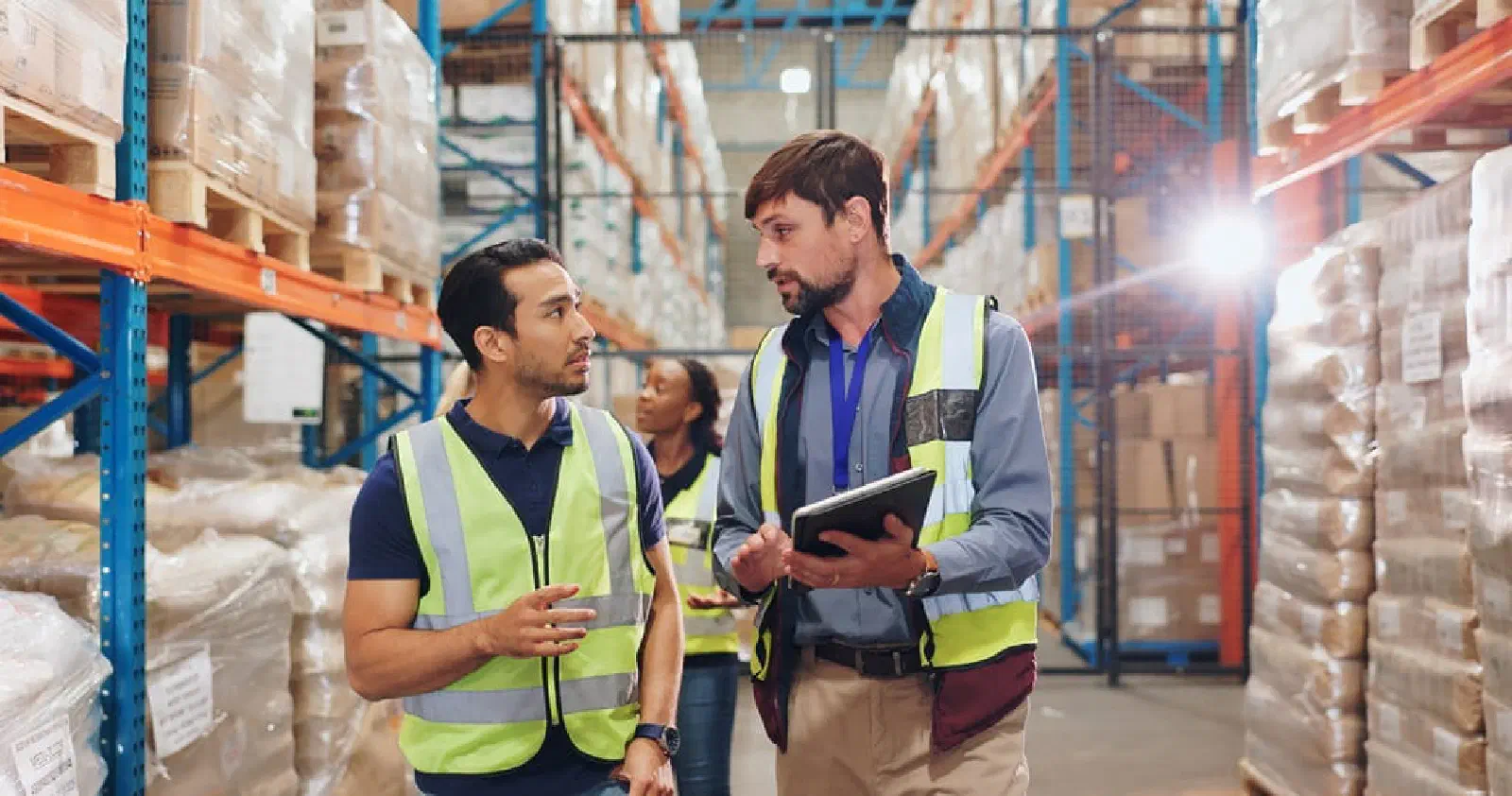
Supply chain improvements are making retail logistics management easier than they’ve been in recent years, but you still need to be mindful of both inbound logistics and outbound logistics. The overall process of retail logistics is your business getting the resources it needs in order to deliver products or services to consumers. Various stages of this process might include warehouse receiving, handling inventory management, order fulfillment, and shipping final goods to your clients. Every stage of this process has to be fully optimized for success.
What Are the Functions of Retail Logistics?
Retail distribution
Logistics in retail might seem simple enough. You do what you have to fulfill orders to clients. However, supply chain management in retailing is more involved than just that. Modern consumers expect more than just receiving goods that they pay for. They want fast shipping, free shipping, free returns, and even unboxing moments they can share on social media. It’s hard to pull all this off alone, which is why you should look into 3PL company services to help your own business out with all of this.
Acquiring the Inventory
Retail chain management has many phases that go in sequential order. One of the early ones is acquiring your inventory. There are two crucial aspects to the procurement of merchandise and its sourcing. The first is ordering early enough to meet demand, and the second is ordering enough to meet consumer demand. Procurement inefficiencies can lead to multiple problems later in your supply chain. First of all, you’ll face delays throughout your system, from start to finish. Second, you’ll wind up risking lower levels of brand visibility and even frustrated consumers that look elsewhere to shop.
Receiving and Sorting the Merchandise
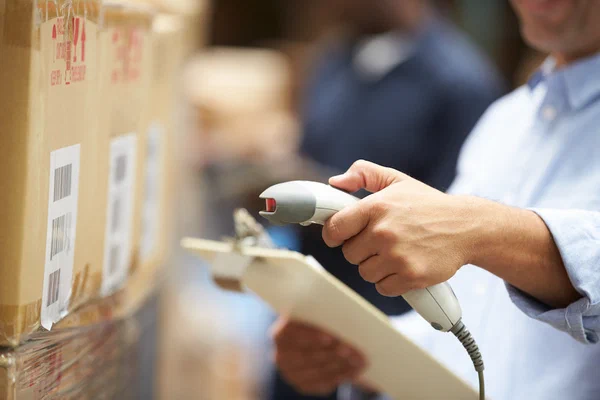
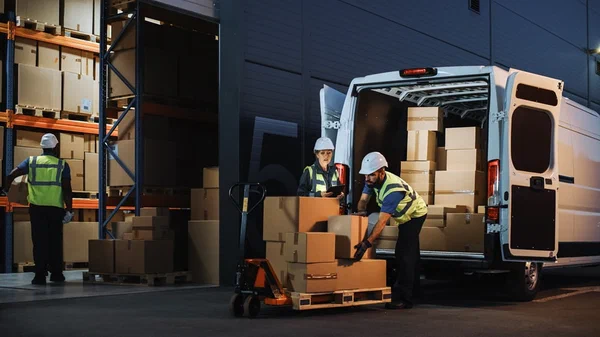
If you’re going to fulfill orders, then you first need to receive and process the merchandise or goods. This is when things are unloaded at your warehouse and checked in with proper storage and documentation. You need to always make sure that what you ordered matches what you receive. Clear procedures are necessary for doing the unloading and receiving. You should also assign SKUs to avoid loss. Inventory shrinkage impacts your bottom line and ability to serve customers their orders and demand for your products and goods.
Inventory Distribution
Your retail distribution method might involve multiple warehouses. Putting products in multiple locations minimizes the distance and time it takes for goods to reach consumers. It can also reduce your overall shipping costs.
Amazon sets a standard here that many consumers are used to and might expect of your business, too. That standard is two-day shipping for most locations and markets across the country. Amazon has fulfillment centers across the country to accomplish this. You might not be able to match that based on your company size, but the more warehouses you can have in primary markets, the faster you can be.
Fulfilling, Managing, and Tracking the Orders
Logistics in retail
Your chance to execute some best practices in supply chain management happen when you’re handling fulfillment, management, and tracking of all orders. The one thing you should never do is underestimate customer expectations about fast and economic delivery.
Once they hit the button to submit or place their order, you’re on a clock. Certain processes need to happen quickly. Customer information needs to be verified. Someone needs to pull the product out of storage and make sure it’s the right one before they start packaging it. This is called the order-to-cash process, also known as O2C in industry jargon. Using a third-party logistics solution, or a 3PL can be a smart move. It takes a lot of mundane work and detail out of your hands and delegates to industry specialists who are experts in this kind of thing. Your business can benefit a lot.
Shipping and Managing the Return
Your retail delivery solutions can’t just involve shipping things to your consumers. You also need to be ready to manage returns. If your logistics network involves multiple warehouses, then the shipping should always take place from the warehouse closest to the customer. That way, they get their items faster, and you save on shipping costs.
Shipping might even be a selling point, as you might offer overnight shipping to deliver things fast or cheap or even free two-day shipping. Just knowing they will get their orders accurately, affordably, and quickly can build consumer loyalty and generate return clients.
However, you also need to brace yourself for returns. Nearly half of consumers return at least one item per year. When returns aren’t managed well, your costs can start to soar. On the other hand, doing returns well is an opportunity to enhance the user experience for consumers.
Tips to Improve Your Retail Supply Chain Management
Any company can stand to improve its retail supply chain management most of the time. Knowing some tips to help with that is useful. Apply any of these to your business if you think you could benefit from the advantages inherent to them.
Work with Trusted Carriers
Supply chain management in retailing
You should only work with reputable carriers. These are carriers known for their commitment to best practices in every aspect of their operations. You should be able to rely on them for not only timely deliveries but also products delivered in great condition to customers. Come up with key performance indicators you can use to track their effectiveness and practice open communication at all times.
Track Your Shipments All the Way Through
GPS and other technologies could enable you to track shipments at any point in time and pinpoint their location. Being able to do so means you can trigger alerts to relevant stakeholders anytime delays might occur. Accurate information impresses customers. Proactivity matters.
Manage and Organize Your Storage Space
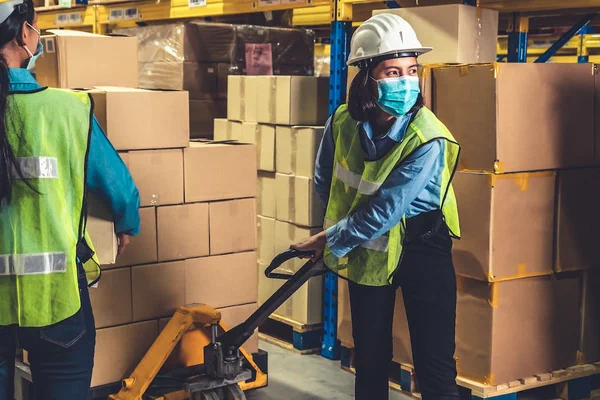
Proper management and organization in your storage space help you maximize efficiency and find everything when you need it. If warehousing solutions aren’t a forte in your business, then it can make sense to outsource this task to industry experts who are adept at it.
Automate Your Processes
Anything you can automate speeds up your overall operations. Identify any processes that might be conducive to automation. Not only will you speed things up, but you’ll also minimize your payroll or labor. Efficiency and accuracy should also go up.
Be Prepared for Varying Demand
Scalability is as crucial as automation. Few businesses see consistently steady and level demand for their products. Seasonal cycles, sales, and especially the holidays at the end of the year are all things that might cause spikes in your business. Nimble operations are flexible enough to keep up.
Prioritize Your Inventory
Supply chain improvements
Focus your inventory management on high-priority items and anything that sells fast. You need to access high-priority goods quickly, and anything that sells fast should be closer to the transportation end of a warehouse. Putting items like these further back just creates needless delays and work for all involved.
FAQ
What are the key components of retail logistics?
Retail logistics usually includes inventory procurement, receiving, storage, inventory management, order fulfillment, shipping, and returns handling. Each step affects product availability, delivery speed, and customer satisfaction.
How can I improve my supply chain management?
Start by improving inventory accuracy, organizing storage space, tracking shipments in real time, and working with reliable carriers. Many retailers also improve supply chain performance by automating routine tasks and building more flexibility for demand swings.
Why is retail logistics important for customer experience?
Retail logistics affects whether products are in stock, how quickly orders ship, and how smoothly returns are handled. Strong logistics operations help retailers reduce delays, control costs, and meet customer expectations more consistently.
In Conclusion
Regardless of what particular items, products, or goods your business sells, you need to make sure of certain things. You need to make sure you have enough in stock at all times, and you need to manage your inventory for accuracy and efficiency. Past that, you also need to make sure you have the right shipping connections to get your goods to consumers quickly, affordably, and without damage.
A retail logistics company can help you out with all of this thanks to their industry expertise and experience in such matters. To find out what your options are in terms of this, then get a quote for logistics services that can help your business save time and money while building brand loyalty and a great customer experience.
A compliance-first guide to the four permit types for oversized and overweight transport — what triggers each one, how state rules differ, and how to avoid the lead-time mistakes that strand loads on the shoulder.
A field guide to 20 major North American carrier networks—and how brokers can use carrier knowledge to find stronger lanes, better capacity, and new shipper opportunities.
Data center freight includes server racks, switchgear, generators, chillers, UPS systems, cable, and replacement parts that must arrive on schedule, intact, and visible from pickup to delivery.
Read article→
This website uses cookies to improve functionality and user experience. By continuing to use this site, you acknowledge our use of cookies. See our
privacy policy.