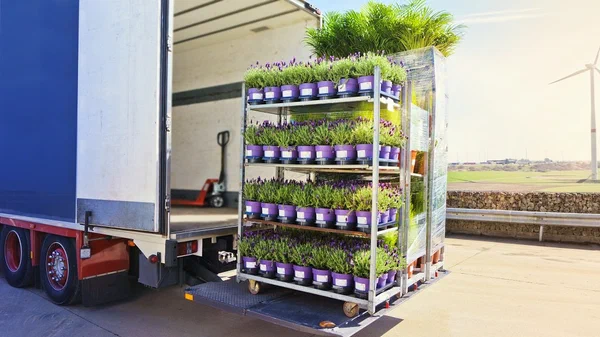
A vented van trailer is an enclosed trailer designed to move dry freight that needs airflow but not full refrigeration. It is commonly used for loads like nursery stock, onions, potatoes, plastics, and other products that benefit from ventilation to reduce heat, moisture, or odor buildup.
Table Of ContentsThere is a wide range of trucks and trailers utilized for many shipping applications, both commercial and residential. Understanding the type of trailer required for your shipment is essential in protecting your freight from damage caused by the elements, loading, and unloading, or temperature. Today, we will tell you about the vented van trailer, when it’s used, how it differs from other vans and its benefits.
Vented Van Definition
The vented van is primarily used for shipping dry and non-perishable goods. These vans are equipped with vents at the front and back of the trailer that serve to circulate air and protect against the elements. The dry goods most commonly transported are nursery stock and specific foods and plastics, which we’ll discuss further below.
Freight Carried on Vented Van Trailer
A vented trailer is relied on to carry a number of different products, including:
Corn
Nursery stock
Onions
Plastics requiring ventilation
Potatoes
Pumpkins
Watermelon
Products commonly moved in a vented van trailer
Vented Van vs Regular Van Differences
So, how does a vented dry van differ from a regular dry van? The greatest difference between the two is the circulation of air within the trailer. Vented vas contain, you guessed it, vents, in the front and the rear of the trailer to encourage airflow. This is a great alternative to using a reefer, or refrigerated truck for items that require air circulation but not a strict temperature-controlled environment.
The vents in these trailers can differ as well. Some vents look like small doors, with the capability of being closed to protect against damage caused by moisture outside. Some vents, however, are similar to standard air conditioning and heating vents, a metal plate with slits.
Here is a quick comparison of where vented vans fit compared with other common enclosed trailers:
Trailer type
Airflow
Temperature control
Common fit
Vented van
Passive airflow through built-in vents
No active refrigeration
Produce, nursery stock, and dry goods that need ventilation
Dry van
Minimal intentional airflow
No active refrigeration
General dry freight that needs weather protection but not airflow
Reefer trailer
Enclosed, with controlled circulation
Yes, active refrigeration
Freight that must stay within a target temperature range
Benefits of Vented Trailers
The primary benefit of a vented van trailer is the trailer’s ability to keep its freight well ventilated and cool. Vents serve to reduce the build-up of heat that trailers produce, especially for goods like onions and nursery stock that can cause pungent fumes in heat. Vented vans eliminate the risks associated with transporting certain goods and produce.
Common Freight Scenarios for a Vented Van
Vented vans are usually chosen when the shipment needs more protection than an open trailer can provide, but using a reefer would add cost and equipment that the load does not actually require.
Common examples include:
Produce that needs airflow to reduce heat and moisture buildup.
Nursery stock or plants that need protection from the elements without being sealed in a hot trailer.
Certain plastics or packaged goods that can hold odors or heat when air is trapped.
Seasonal agricultural freight that moves better with ventilation but does not need strict temperature control.
In those cases, a vented van can be the middle ground between a standard dry van and a full refrigerated truck. Shippers get enclosed protection, but the trailer still helps prevent stale air, trapped humidity, and unnecessary heat buildup.
FAQ
What is a vented van trailer used for?
A vented van trailer is used for dry freight that benefits from airflow but does not need full refrigeration. It is a practical option for products that need protection from the elements while still allowing ventilation inside the trailer.
What types of goods are best suited for vented van trailers?
Goods that can be affected by trapped heat, humidity, or odors are often good fits for vented vans. Common examples include nursery stock, onions, potatoes, pumpkins, watermelon, and certain plastic products.
What is the difference between a vented van and a reefer trailer?
A vented van improves airflow through vents, while a reefer trailer actively controls temperature with refrigeration equipment. If the load needs strict temperature control, a reefer is the better choice. If the freight mainly needs ventilation, a vented van can be enough.
Conclusion
If you need a vented van or you’re looking to ship a freight but don’t know which van type should be used for the shipment, DFW trucking company can help. We have a wide variety of trucks and trailers to choose from, just get a freight transportation quote for consultation or call 817-398-3464 .
A compliance-first guide to the four permit types for oversized and overweight transport — what triggers each one, how state rules differ, and how to avoid the lead-time mistakes that strand loads on the shoulder.
A field guide to 20 major North American carrier networks—and how brokers can use carrier knowledge to find stronger lanes, better capacity, and new shipper opportunities.
Data center freight includes server racks, switchgear, generators, chillers, UPS systems, cable, and replacement parts that must arrive on schedule, intact, and visible from pickup to delivery.
Read article→
This website uses cookies to improve functionality and user experience. By continuing to use this site, you acknowledge our use of cookies. See our
privacy policy.