Choose Conestoga for access plus protection
Consider Conestoga when freight needs a weather cover and side or crane loading, including loads whose handling instructions rule out draping a loose tarp directly over the cargo.
Cowtown arranges Conestoga freight through its carrier network, matching equipment to your load, lane, and schedule. Work with our team on carrier communication and pickup and delivery details.
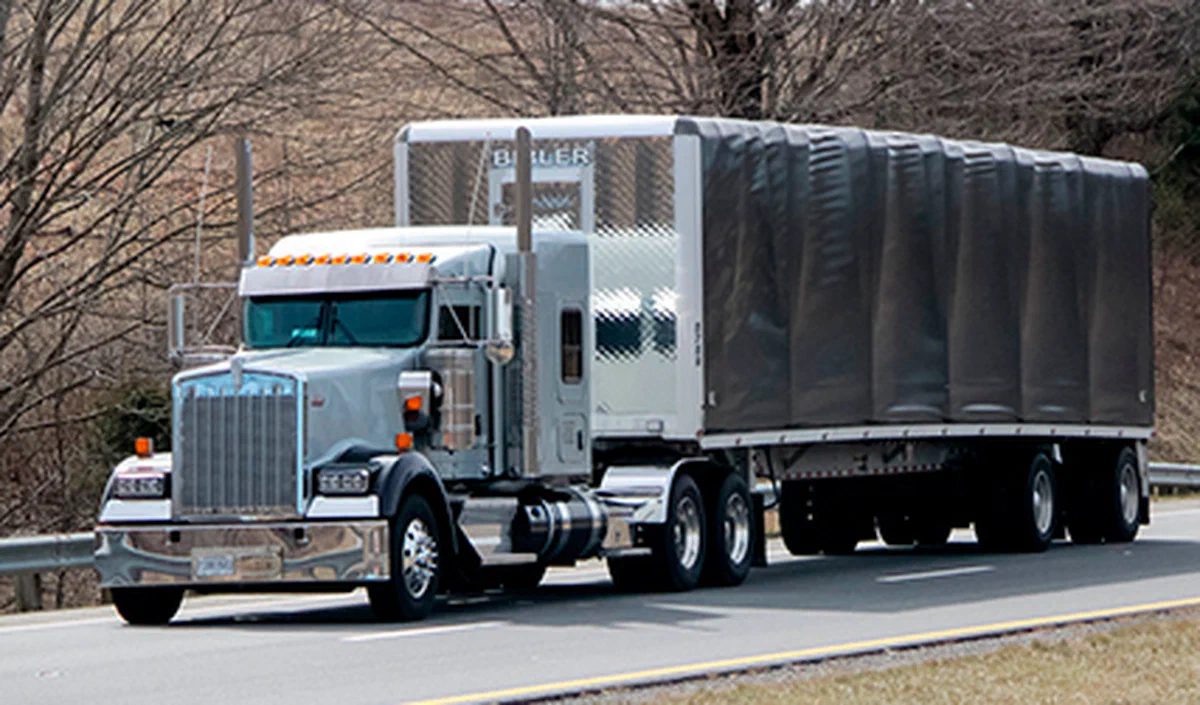
Conestoga Freight Shipping
A rolling tarp closes around secured freight for transit and retracts for loading. For the equipment basics, read what a Conestoga trailer is.
Weather-sensitive freight: Consider a rolling cover when the shipment needs protection from rain and road spray in transit.
Packaging and exposed handling: The load still needs suitable packaging, and handling with the cover open can expose it to the weather.
Side-loading and crane-loading needs: Retracting the tarp and frame exposes the deck for side or overhead access. Include the loading method and site equipment in your shipment details.
Cowtown shipment coordination: Our team uses your packaged dimensions, weight, and handling instructions to coordinate equipment requirements with carriers. For lumber and wood shipping or full truckload freight, we work through the load, loading access, and protection requirements with you.
Choose the Equipment
Send your shipment details to review Conestoga equipment fit.
Plan Your Shipment
Use the freight quote form and identify Conestoga in your message. Include origin and destination, freight description, dimensions and weight, packaging, pickup date, loading and unloading requirements, and weather-protection or delivery constraints.
Send the packaged dimensions, weight, and loading method so the team can assess deck space, clearance inside the closed cover, and available payload. Taller freight can be reviewed for a step-deck configuration; the specific trailer’s usable space determines fit.
Send the request once the shipment details and expected pickup date are known. Include any scheduling flexibility so the team can review carrier availability and pricing for your lane.
Conestoga adds a rolling weather cover to an open deck. A standard flatbed offers open-deck access; a standard dry van encloses freight but typically loads through the rear. Read our Conestoga trailer guide for the comparison.
Conestoga freight rates depend on the lane, available equipment, shipment dimensions and weight, pickup timing, fuel, and any applicable accessorial services.
Share the loaded dimensions, total weight, and route when requesting a quote so the team can review whether permits or a different equipment option may be needed before booking.
"Incredible company to work with. Updates are superb, people are friendly and freight is handled with care."
"Once again Cowtown Logistics has provided exceptional customer service! This is the best company for the job when it comes to moving freight. They care and do a fantastic job, hands down the best I have worked with."
Read feedback from people who work with Cowtown.
Tell us what you are shipping and how it needs to be handled.
This website uses cookies to improve functionality and user experience. By continuing to use this site, you acknowledge our use of cookies. See our privacy policy.