It depends on the compressor type. A brand-new, oil-free compressor can safely be laid on its side for transport. A used or oil-lubricated compressor should stay upright — laying it sideways allows oil, sludge, or moisture to migrate into valves and other components, potentially causing damage. When transporting upright, bolt the unit to a pallet and secure it with at least four heavy-duty ratchet straps.
Table Of ContentsThe short answer: whether you can lay a vertical air compressor on its side depends on the compressor type. New, oil-free compressors can usually be transported on their side. Used or oil-lubricated compressors should always stay upright — tilting them allows oil and moisture to reach valves and components where they can cause damage.
Beyond orientation, transporting an upright air compressor safely requires the right securement, the right trailer, and some pre-transport prep. This guide covers both — starting with the orientation question, then walking through the steps for a damage-free freight shipment.
Can You Lay an Upright Air Compressor on Its Side?
People often ask, “Can I lay my air compressor on its side?” Although this question is understandable, unfortunately, there’s no direct answer. Whether you can lay an upright compressor on its side is a function of whether it’s new or used, as we explain below.
Can You Lay a Brand New Air Compressor on Its Side?
If you’re transporting an upright air compressor that’s never been used, you’ll be able to lay it on its side without any trouble.
A brand-new vertical compressor usually has no oil in it; nor does it have any condensed moisture. This means there’s no risk of fluids seeping out to problematic areas when you lay the upright compressor on its side.
However, there’s a way to move a vertical air compressor, especially when laying it on its side. Make sure the compressor is placed securely with no room to slide or bounce about during transportation.
Can You Lay the Used Air Compressor on Its Side?
With frequent use, vertical air compressors begin to build up condensed water and dirt on the inside. All of this will move to the bottom of the compressor tank, forming dirty gunk or sludge.
Laying a used upright air compressor on its side can be risky. The sludge will be free to move around the tank in that position, causing potential damage to critical areas of your compressor, especially the tank check valve.
The sludge can slow down the valve’s motion or prevent it from moving altogether. The moving fluid can also trigger a series of other complications. Generally speaking, transporting a used air compressor on its side isn’t something you want to try.
Can You Lay an Oil-Lubricated Air Compressor on Its Side?
Air compressors are configured to be either oil-lubricated or oil-free. Oil-lubricated compressors require users to manually add oil to the sump after purchasing.
However, this feature comes with a caveat – you shouldn’t lay the oil-lubricated compressor on its side after adding oil to the sump. Doing this lets oil from the sump, which will usually have mixed with some dirt, flow into undesired areas. And as you may already know, getting dirty oil in certain areas can knock engines down.
Can You Lay an Oilless Air Compressor on Its Side?
An oilless air compressor, unlike the oil-lubricated type, is manufactured to require no oil lubrication. Therefore, it is quite safe to transport an upright air compressor on its side.
We advise you to avoid laying a used oil-free air compressor on its side, as there might be a higher possibility of moisture accumulation inside. Better still, it would help if you didn’t lay a used oilless vertical compressor on its side, as there’s a high probability of moisture already accumulating in the compressor.
How Do You Safely Transport an Upright Air Compressor?
These additional tips will help you transport your upright compressor safely:
Use a Ramp or Dolly for Loading
When it comes to transporting an upright air compressor, using a ramp for loading is a valuable tip. To facilitate easier and safer lifting of the air compressor, consider utilizing a hand truck or a furniture dolly. This allows you to smoothly navigate any steps or inclines and reduces the risk of strain or accidents. Alternatively, if the compressor is on a pallet, make sure the ramp is wide enough to accommodate both the pallet and the air compressor for a seamless loading process.
Secure the Compressor to a Pallet and Strap It Down
It’s important to keep air compressors properly secured irrespective of how you are transporting them. Vertical compressors that are transported upright typically tend to be top-heavy. Any slight tipping would make them go all the way down, causing damage to the compressor with the risk of damage to the vehicle as well.
You should bolt upright air compressors to a pallet, as this promises extra stability. Thankfully, some compressors come bolted to pallets.
Once you get the compressor into the truck and position it as required, strap it down with at least four heavy-duty ratchet straps. The straps should connect to all four corners of the truck bed and should be tightly attached.
Drain Oil and Moisture Before Transport
Before transport, drain the oil from the pump and any condensate from the air tank. This is especially important for used compressors, where fluid buildup is common. Draining reduces the risk of leakage and fluid migration during transit, and most manufacturers recommend it before any significant move. If the compressor has detachable components — hoses, gauges, or handles — consider removing them to reduce the overall profile and risk of breakage. Be sure to follow the manufacturer’s guidelines and keep all removed parts packaged securely for reassembly at the destination.
Choose the Right Transportation Option
When transporting an upright air compressor, evaluate the available transportation options including a truck, trailer, or other means. Consider the size and weight of the compressor, ensuring it can be securely accommodated in an upright position. Assess the route and potential obstacles to select the most suitable transport method. Choosing the right transportation option guarantees the safe and efficient transit of your new or used compressor.
Check the Route for Clearance and Obstacles
Assessing the route and potential obstacles is vital when transporting an upright air compressor. Whether it’s a vertical air compressor or any other type, understanding the route and identifying potential challenges ensures safe transportation. Take note of low clearances, narrow passages, uneven terrain, or any other obstructions that may impede the smooth transit of the compressor. By conducting a thorough assessment, you can plan the transportation logistics accordingly.
Inspect the Compressor After Delivery
When transporting upright air compressors, be sure to conduct post-transportation checks to ensure their optimal functioning. This is especially important for commercial van air compressors and other vertical models. Inspect the compressor for any signs of damage, such as leaks, loose connections, or unusual noises. Test the compressor tank under normal operating conditions to make sure it’s performing as it should be.
Consider a Professional Freight Carrier
We know that this can be overwhelming! If you think this is too much to deal with yourself, you should consider hiring a professional shipping company. This may be your safest option after all. Hiring a good may be an investment, but it’s often worth it for its convenience as well as the safety of the vertical compressor.
Hot shot trucking services may be the best fit for transporting your compressor. Your cargo gets delivered in no time, and there’s a special consideration for its delicate nature.
Meanwhile, working with a professional shipping company saves you the stress and expense of renting a trailer and buying ramps or ratchet straps.
Air Compressor Transport FAQ
Can you lay a vertical air compressor on its side for transport?
It depends on the compressor type. A brand-new, oil-free compressor can typically be transported on its side without risk. A used or oil-lubricated compressor should remain upright — laying it sideways allows oil, condensed moisture, and sludge to migrate into valves and other components, potentially causing damage or failure when the unit is restarted.
What happens if you lay an oil-lubricated air compressor on its side?
Oil from the sump can flow into unintended areas, including the pump, intake, and check valve. Dirty oil reaching the tank check valve can slow or block its operation. In worst-case scenarios, oil contamination can require a full rebuild or render the compressor unusable.
How do you secure an upright air compressor for freight shipping?
Bolt the compressor to a pallet for stability, then secure the pallet and compressor with at least four heavy-duty ratchet straps anchored to all four corners of the trailer or truck bed. For tall, top-heavy units, additional center straps or corner bracing help prevent tipping during transit.
Should you drain oil and moisture before transporting an air compressor?
Yes, especially for used compressors. Draining the oil from the pump and condensate from the tank reduces the risk of fluid migration during transport and is recommended by most manufacturers when the unit will be in transit for any significant distance.
What type of freight service is best for shipping a vertical air compressor?
For single units or smaller compressors, hot shot trucking or sprinter van delivery is often the most efficient option. Larger or heavier industrial compressors may require a flatbed trailer. The key factor is choosing a service that keeps the unit upright and properly secured throughout transit.
Can a freight carrier ship an air compressor internationally?
Yes, but international shipments require additional planning around crating standards, import documentation, and customs requirements. Industrial compressors may also require an export license depending on the destination and specifications. Working with a freight broker experienced in equipment shipping simplifies the process significantly.
Conclusion
Safely and efficiently transporting a vertical air compressor requires careful planning, adherence to manufacturer guidelines, and the right techniques. While laying an upright air compressor on its side may sometimes be ideal, it’s important to evaluate the specific circumstances and minimize any potential risks. To ensure a smooth transport experience, consider partnering with reputable freight shipping services like Cowtown Logistics. Get a quote and leverage their expertise to handle the transportation of your vertical air compressor with the utmost care.
A compliance-first guide to the four permit types for oversized and overweight transport — what triggers each one, how state rules differ, and how to avoid the lead-time mistakes that strand loads on the shoulder.
A field guide to 20 major North American carrier networks—and how brokers can use carrier knowledge to find stronger lanes, better capacity, and new shipper opportunities.
Data center freight includes server racks, switchgear, generators, chillers, UPS systems, cable, and replacement parts that must arrive on schedule, intact, and visible from pickup to delivery.
Read article→
This website uses cookies to improve functionality and user experience. By continuing to use this site, you acknowledge our use of cookies. See our
privacy policy.

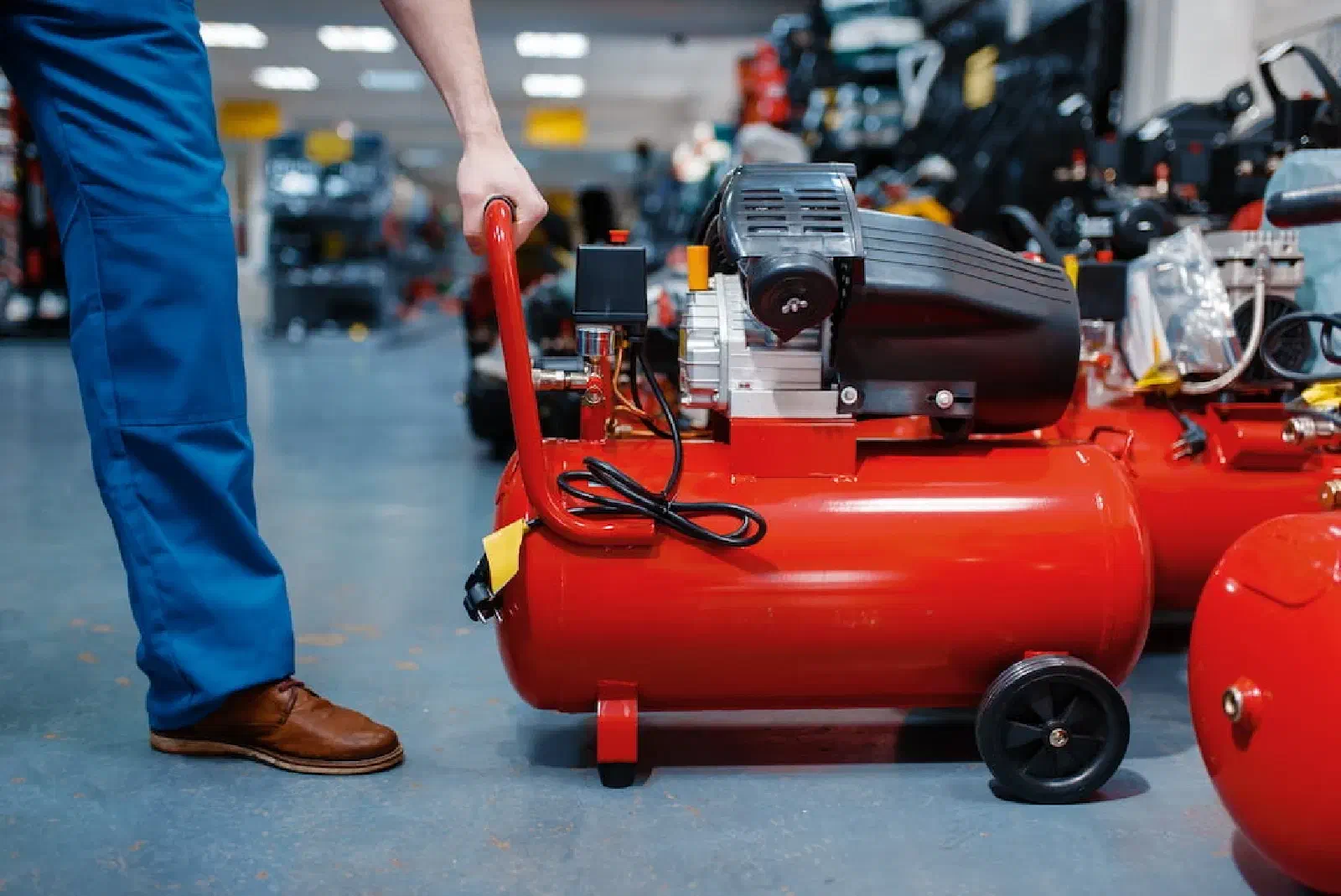
 People often ask, “Can I lay my air compressor on its side?” Although this question is understandable, unfortunately, there’s no direct answer. Whether you can lay an upright compressor on its side is a function of whether it’s new or used, as we explain below.
 These additional tips will help you transport your upright compressor safely:
 Before transport, drain the oil from the pump and any condensate from the air tank. This is especially important for used compressors, where fluid buildup is common. Draining reduces the risk of leakage and fluid migration during transit, and most manufacturers recommend it before any significant move. If the compressor has detachable components — hoses, gauges, or handles — consider removing them to reduce the overall profile and risk of breakage. Be sure to follow the manufacturer’s guidelines and keep all removed parts packaged securely for reassembly at the destination.
 We know that this can be overwhelming! If you think this is too much to deal with yourself, you should consider hiring a professional shipping company. This may be your safest option after all. Hiring a good may be an investment, but it’s often worth it for its convenience as well as the safety of the vertical compressor.