Table Of Contents
5 Ways to Lower Carbon Emissions in Logistics
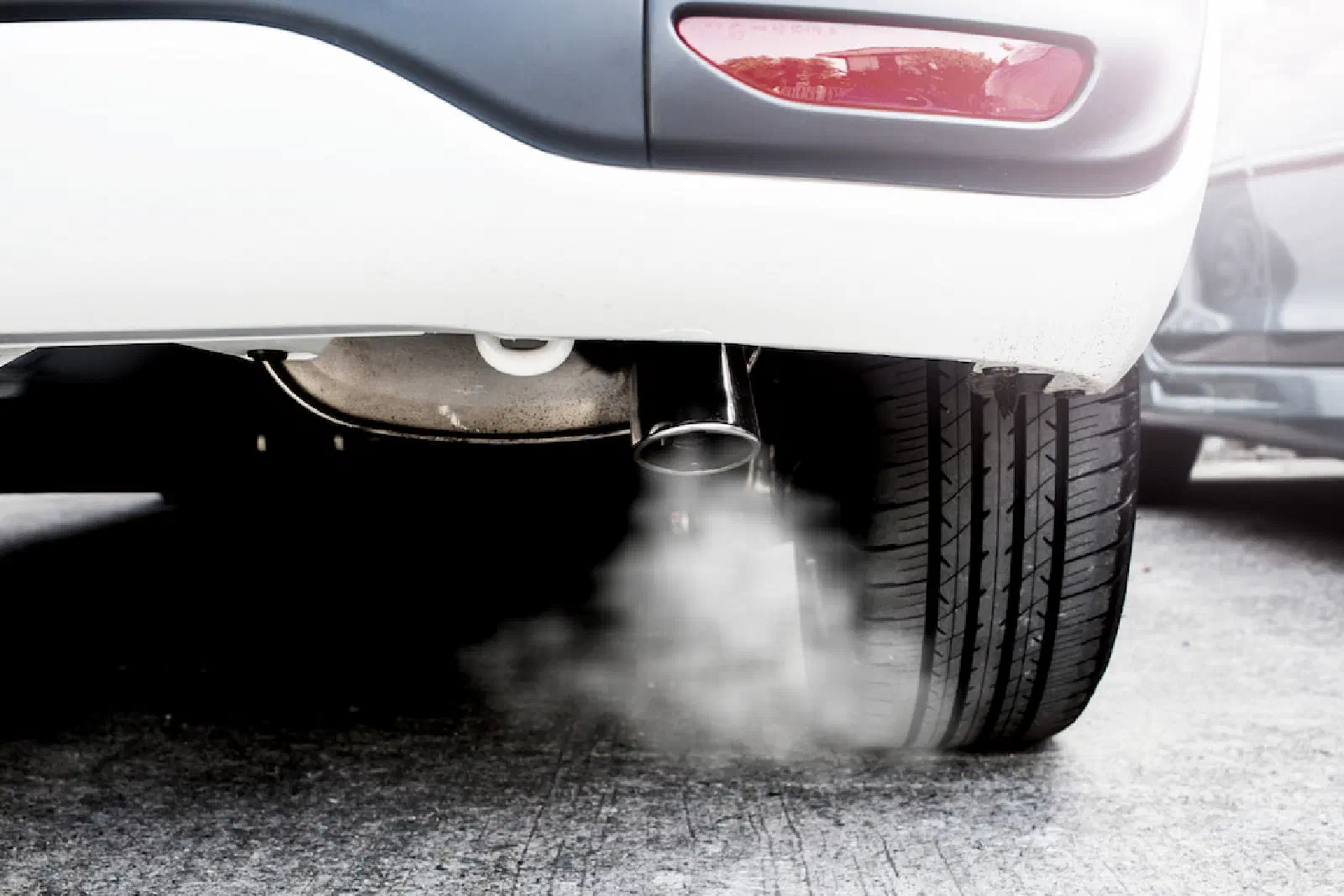
Times of challenge are also times of opportunity. While many companies are incurring additional costs due to environmental regulations, others are saving money by figuring out how to reduce transport carbon footprint. Reducing carbon dioxide emissions from vehicles is a great place to start.
Reduced emissions from vehicles can help companies save money by adopting greener policies that are more efficient. In this article, we will show you five actions you can take right now to achieve a real reduction in carbon emissions.
#1. Select Greener Supplies and Means of Transportation
First, the easiest and quickest way to reduce emissions is by selecting modes of freight transportation that are leaner and greener. Your company will save money on fuel costs and any carbon taxes that may apply. Your company can buy greener supplies that have lower carbon emissions upstream in the supply chain.
Also, choosing to do business with companies that lead with sustainability will help your own company’s reputation. After all, it will take collective action to reduce carbon dioxide emissions. To make a reduction in carbon emissions across your company, consider adopting an operation for tracking environmental impacts. This will help you understand how your materials perform and allow you to measure them against more sustainable options. Over time, this will lead to lower carbon emissions as well as improved reputation and operational efficiency.
#2. Reuse, Repair, and Recycle
 For more sustainability-focused choices, you also have the opportunity to opt for local or recycled products and packaging. This is not a direct way to lower carbon emissions, but it is a critical sustainability practice to adopt in your attempts to reduce carbon dioxide emissions. This is true because it helps reduce the amount of waste in landfills, which helps reduce methane - a powerful greenhouse gas.
While dependence on recycling shouldn’t be the primary long-term solution, it is an option that should be maximized as often as possible and will help reduce your costs. Many communities have figured out how to reduce transport emissions for recycling services, so using recycled materials can lead to reduced emissions across society.
#3. Waste & Consumption Optimization
Energy consumption and waste happen at every stage of the supply chain. From processing raw materials to transporting them to a warehouse, to storing and taking inventory of goods, to handling and packaging, and documenting this whole process - there is a lot of opportunity for inefficiency and loss. In many ways, a reduction in carbon emissions and other pollutants is a good way to control this inefficiency.
Consider investing in technology that reduces emissions, such as purchasing lower emission vehicles to reduce carbon dioxide emissions across a company fleet. If you’re thinking of other ways to reduce carbon emissions from vehicles or other parts of your business, consider switching paperwork to digital records and providing workers with devices to access them. These types of policies will not only help achieve lower carbon emissions, but also bolster your sustainability, reduce costs, and save energy.
#4. Utilize Space More Efficiently
For companies looking at ways how to reduce transport carbon footprint in logistics operations, two key places to look is at your packaging and cube utilization. Ensure the packaging for your product actually fits the product appropriately and that you are properly utilizing the maximum amount of space for each cube. By decreasing wasted space, more items can be shipped per load and lower carbon emissions can be achieved over time.
#5. Take Measurements and Analyze Your Emissions
 What isn’t tracked can’t be measured. What can’t be measured, can’t be fixed. By documenting and tracking your logistics processes, you can ensure that your supply chain achieves all performance goals - including reduced emissions. Find a way to digitally automate your metrics to compound your efforts, reducing labor costs and unnecessary paperwork. Collect data from your fleet vehicles to understand how to reduce transport costs company-wide. By tracking each step in your supply chain, you will have access to metrics and intelligence that can lead to lower carbon emissions and lower operating costs.
Conclusion
At Cowtown Logistics, we are the leading transportation provider and one of the top full-service freight brokers, supplying shipping to 48 states and Canada. We are renowned for our long-term strategic relationships with trusted carriers and are experienced in acting fast to support missing links in your supply chain. We are also committed to reducing carbon emissions from vehicles across the transportation sector, so you can always count on us to operate with environmental integrity.
Contact us for a logistics company quote to see how we can help be your strategic partner in reducing our carbon footprint together!
Frequently Asked Questions
How can logistics companies lower carbon emissions?
Selecting greener transportation modes, optimizing packaging and cube utilization, reducing waste, and tracking emissions data are the most direct ways logistics companies cut their carbon footprint.
Does choosing greener suppliers actually reduce emissions?
Yes. Selecting freight transportation and supply partners with lower upstream emissions reduces a company’s overall carbon footprint and often lowers fuel costs and exposure to carbon taxes at the same time.
Why does reuse and recycling matter for logistics sustainability?
Reusing and recycling packaging materials isn’t a direct emissions cut, but it reduces landfill waste and the methane that waste generates, making it an important complement to other emissions-reduction efforts.