
TL;DR
Use a dry van for enclosed, non-temperature-controlled freight. Use a reefer when the product needs refrigeration, insulation, or a controlled temperature range from pickup through delivery.
TL;DR
A dry van is the right trailer when freight needs enclosed protection but not temperature control. A reefer truck is the better choice when product temperature has to be maintained during transit.
In this article, we’ll answer the question of what a dry van is, explain how it differs from a reefer truck, and show which shipping option fits common freight needs.
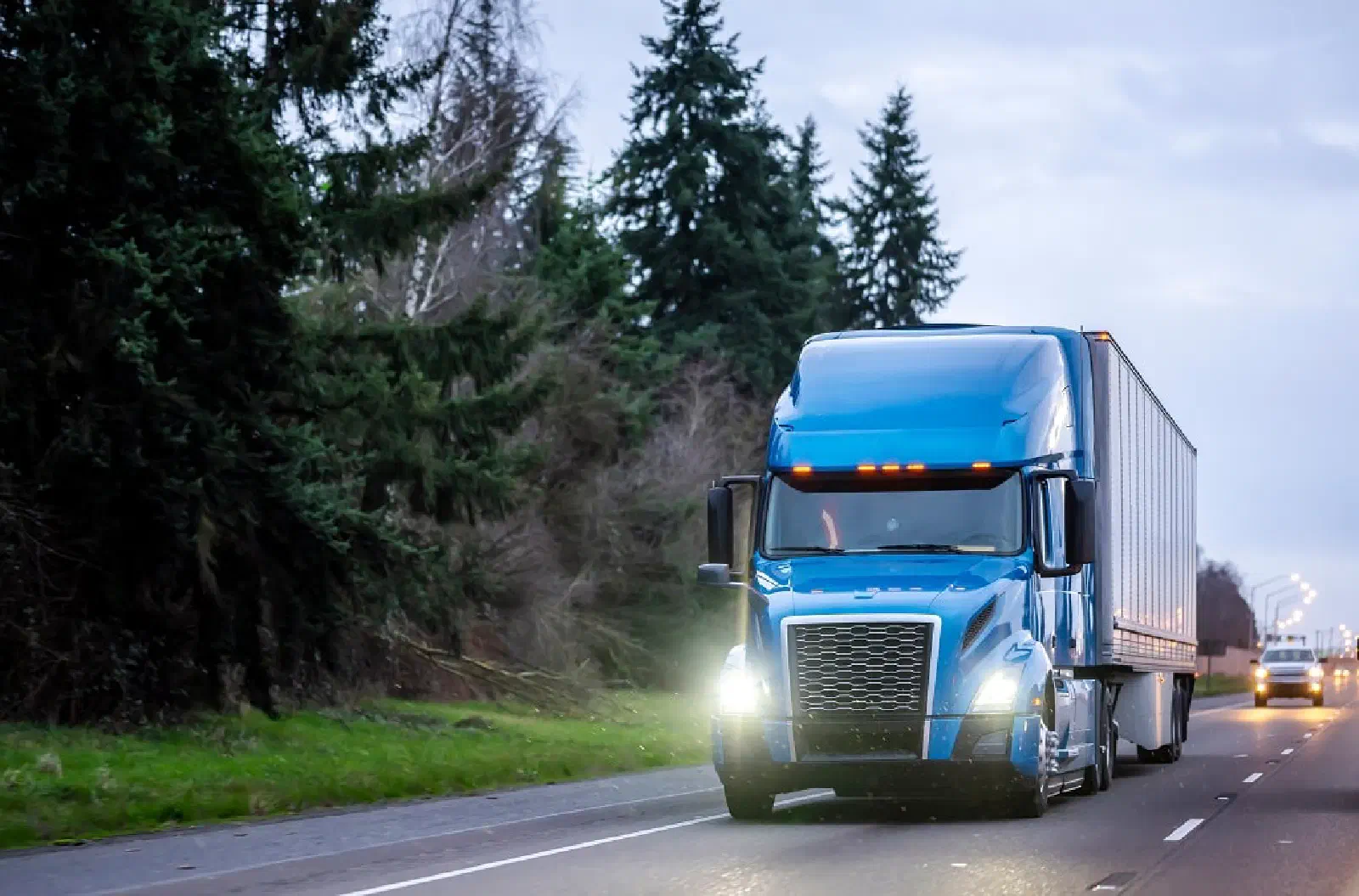
So, what does a dry van mean, and what is a dry van truck? Dry van trailers are the ones you most commonly see when you’re driving. They have large, rectangular enclosures that protect shipments from damage caused by the elements.
The dry van height is 53 ft, and it can hold up to 44,000 lbs, meaning it can be used for many products and shipments in many different industries.
 The primary differences between dry vans and reefer trailers are the reefer and dry van trailer dimensions and temperature control capabilities. Simply put: reefer trucks are refrigerated and dry vans are not. Below are the dimensional differences for reefer truck vs dry van:
A dry van trailer is an enclosed freight trailer used for non-temperature-controlled goods. It protects cargo from weather, road debris, and basic handling exposure during transit.
A dry van is enclosed but not refrigerated. A reefer trailer has a refrigeration unit and insulated walls so it can maintain temperature for perishable or temperature-sensitive freight.
Use a reefer when the freight needs a controlled temperature range, such as food, beverages, pharmaceuticals, plants, or other products that can spoil or be damaged by heat or cold.
Dry vans have a multitude of applications and can accommodate many different kinds of loads, from furniture to large appliances. When considering a reefer trailer vs a dry van, the most important consideration is whether there is a need for a temperature-controlled trailer. No need for a refrigerated temperature-controlled trailer? Then a dry van is a right choice for your freight.
Get a freight transportation quote to talk to an experienced member of our freight shipping company team. We’re here to help!
Keep reading
A compliance-first guide to the four permit types for oversized and overweight transport — what triggers each one, how state rules differ, and how to avoid the lead-time mistakes that strand loads on the shoulder.

A field guide to 20 major North American carrier networks—and how brokers can use carrier knowledge to find stronger lanes, better capacity, and new shipper opportunities.
Data center freight includes server racks, switchgear, generators, chillers, UPS systems, cable, and replacement parts that must arrive on schedule, intact, and visible from pickup to delivery.
This website uses cookies to improve functionality and user experience. By continuing to use this site, you acknowledge our use of cookies. See our privacy policy.