
TL;DR
Dry goods are non-perishable products that generally do not require temperature control. They are commonly moved in enclosed dry vans, with packaging, palletization, weight distribution, and moisture protection matched to the commodity.

TL;DR
With so many different carrier options for the shipment of goods, narrowing down the right carrier for your company can feel daunting. However, different carriers will specialize in particular areas and routes, as well as with specific cargo types. With this in mind, by finding the right dry goods transportation carriers for your needs, you can not only safely deliver your goods, but find a more affordable rate, too.
Sound complicated? It doesn’t have to be. Cowtown Logistics can handle the entire dry shipping process for you. Whether you need LTL freight or a full truckload of goods delivered, we are equipped to handle the shipping of your dry goods shipping for you. Curious how it’s done? Here’s what you need to know.
There are a lot of perks to relying on transportation carriers that haul dry goods for your next shipment. If you’re not convinced, let’s break down how we can help.
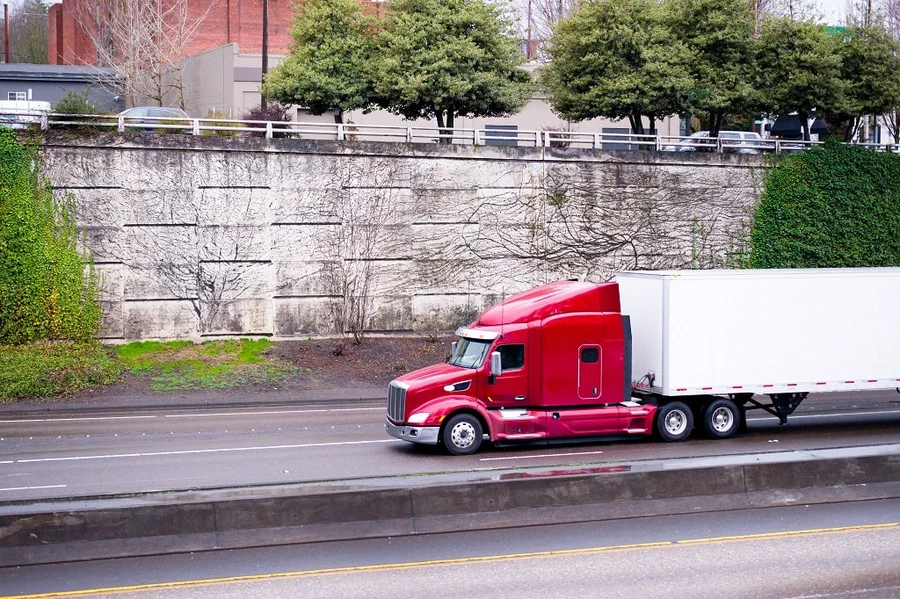
As demand for different goods and products mounts, the need for dry goods only continues to increase. Every single day, thousands of grocery trucking companies are traveling across the states to deliver bulks of goods of all weights and sizes.
Depending on what you’re shipping and the quantity involved, there are an array of vehicle options dry goods companies offer. Here’s what’s at your disposal:
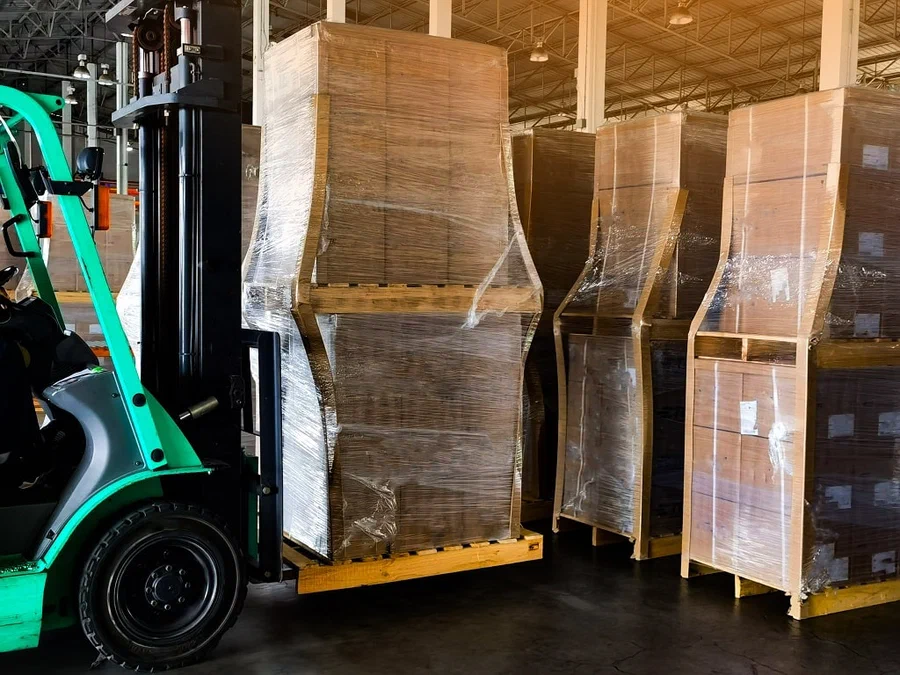
One of the most important parts of dry truck shipments is following the proper steps to pack food and other goods to ensure safe arrival. Packaging goods carefully will help ensure they do not get damaged in the shipment process, keeping them safe and secure along the journey.
From boxes that are strapped down, to pallets, there are quite a few options at your disposal. To help prep your shipment of goods, we recommend:
Another key element when looking at dry goods shipping companies is understanding how to store the goods you’re shipping, particularly when it comes to foods.
Storing these more perishable goods requires special attention to both temperature and humidity. The correct measurements for your goods will depend on what you’re shipping, but we typically recommend somewhere between 50 and 70 degrees Fahrenheit to maintain the best shelf life. Thankfully, the best grocery trucking companies will have temperature controls, but your warehouse will need clear thermometers and a plan for regulation, too.
Additionally, when it comes to maintaining the quality of goods, we also need to consider ventilation. In some places where high humidity is common, ventilation is essential to preventing mold and bacteria - something we certainly want to avoid with packed food. To help limit these effects, have proper insulation, dehumidifiers, and fans to lower humidity within your storage space, and keep an eye on the humidity in the warehouse throughout the day.
Last up is expiration dates. There’s no money to be made on expired goods, and while you may have some items in your warehouse for months, keep an eye on their shelf life throughout the time. It’s important to have a clear plan of how long you can keep them before they need to be donated or simply thrown away.
The transportation of dry goods is a common practice, and one many dry goods transportation carriers have mastered. By relying on the experts, you can ensure your goods get from point A to point B with ease, arriving in perfect condition and ready to sell. Whether you need a dry truck for non-perishable goods or a more temperature-controlled solution, Cowtown Logistics can meet the needs of all shipments of goods.
To explore your options when shipping dry goods, contact Cowtown Logisticstoday and receive a dry goods shipping quote to begin planning your next shipment.
A dry van keeps cargo locked and protected from weather, reduces theft risk compared to open trailers, and can carry up to 45,000 pounds, making it well suited to non-perishable goods like textiles and building materials.
Options range from small local delivery trucks and heavy trucks with built-in protection to freight trains and cargo vessels for international shipments, with the choice depending on distance and shipment size.
Use appropriate cushioning materials, keep pallet stacks under 72 inches, avoid overhanging boxes, label every box and pallet clearly, and use banding straps to prevent shifting in transit.
Keep reading

A compliance-first guide to the four permit types for oversized and overweight transport — what triggers each one, how state rules differ, and how to avoid the lead-time mistakes that strand loads on the shoulder.

A field guide to 20 major North American carrier networks—and how brokers can use carrier knowledge to find stronger lanes, better capacity, and new shipper opportunities.
Data center freight includes server racks, switchgear, generators, chillers, UPS systems, cable, and replacement parts that must arrive on schedule, intact, and visible from pickup to delivery.
This website uses cookies to improve functionality and user experience. By continuing to use this site, you acknowledge our use of cookies. See our privacy policy.