Medical Equipment & Supplies Freight Shipping: What Manufacturers and Distributors Need to Know
Medical equipment is not general freight. Imaging systems, surgical instruments, diagnostic devices, and sterile supplies need specialized carriers, documented chain-of-custody, and handling protocols built around the cargo.
A forklift loading palletized medical supplies into a trailer.
TL;DR
Medical equipment is not general freight. Imaging systems, surgical instruments, and diagnostic devices require specialized carriers, documented chain-of-custody, and handling protocols that standard brokers do not provide. This guide covers what proper medical equipment shipping looks like, how FDA device classification shapes your logistics requirements, and what to look for in a freight partner.
Table Of Contents
Shipping medical equipment is one of the more demanding freight categories in the country. The cargo is high-value, often fragile, sometimes temperature-sensitive, and always subject to regulatory scrutiny. A single mishandled shipment can result in equipment that needs recalibration before use, a delayed surgical suite setup, or a compliance gap that surfaces during an audit.
Most of the risk in this category does not come from the road. It comes from working with a freight broker or carrier that does not understand what medical equipment actually requires. That is where shipments go wrong.
We work with medical device manufacturers, distributors, and healthcare facility procurement teams to move equipment the right way. Here is what that process looks like, and why the details matter.
What Falls Under Medical Equipment Freight
Medical equipment covers a wide range of cargo types, and each comes with its own handling profile. Understanding the category is the first step toward building the right shipping plan.
Here is how we break it down:
Diagnostic and Imaging Equipment
MRI machines, CT scanners, and X-ray systems
Ultrasound units and portable diagnostic devices
Laboratory analyzers and pathology equipment
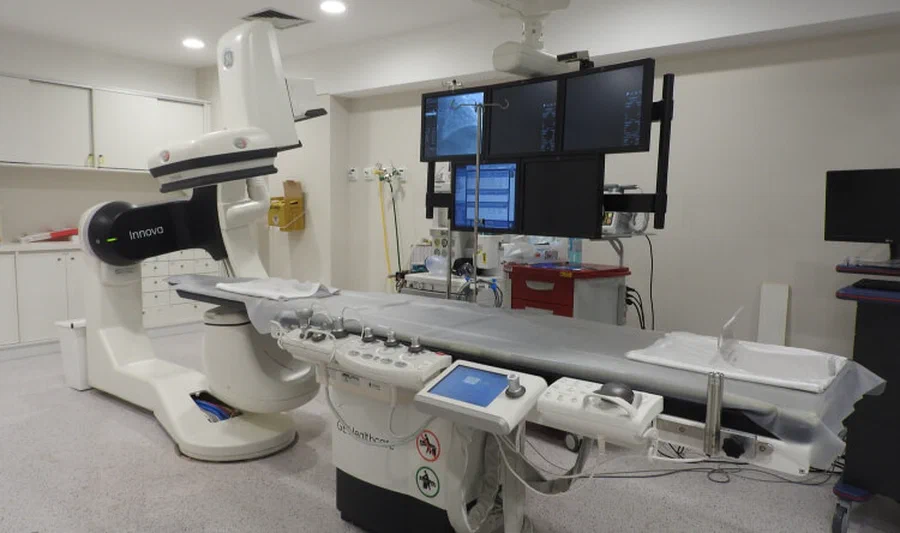
These shipments are among the most sensitive in the category. Imaging systems contain precision components that can be knocked out of calibration by vibration or shock during transit. Many require air-ride suspension trailers, shock indicators, and tilt monitors as standard practice.
Surgical and Procedural Equipment
Surgical tables, lighting systems, and electrosurgical equipment
Robotic surgery platforms and procedural carts
Sterile instruments and packaged procedural supplies
Surgical and procedural freight often has a narrow delivery window because the equipment is tied to installation, room setup, vendor support, or scheduled clinical use. That makes appointment coordination and inside delivery requirements just as important as the trailer type.
Medical equipment freight often includes high-value devices that need careful handling, placement, and documentation.
FDA Device Classification and What It Means for Shipping
The FDA classifies all medical devices into three risk-based categories under 21 CFR Parts 800 to 898. That classification does not just determine what regulatory pathway a device follows before it reaches market. It also shapes the documentation, traceability, and handling requirements that apply every time the device moves.
Here is what each class means in a shipping context:
Class
Risk Level
Examples
Core Shipping Obligation
Class I
Low
Bandages, exam gloves, tongue depressors
Basic storage conditions, chain-of-custody records
Class II
Moderate
Infusion pumps, pulse oximeters, surgical drapes
UDI compliance, 510(k) documentation, lot tracking
Class III
High
Pacemakers, cochlear implants, stent systems
Unit-level traceability, PMA records, full audit trail
What This Means in Practice
Class I devices carry the lightest requirements. Class III devices require full unit-level traceability from origin through final delivery, meaning every carrier transfer point needs a documented record that includes lot number, serial number, and chain-of-custody log.
This is a documentation obligation at the shipper and broker level, not something the carrier builds for you. If you are moving Class II or Class III devices, your freight broker needs to understand these requirements and select carriers that can support them.
UDI Compliance and Labeling
FDA-regulated devices require UDI-compliant labeling at the package level. Labels must carry both human-readable text and a machine-readable barcode or RFID format. Class II and III devices also require GUDID database registration. A mismatch between the label on the package and the GUDID record is a traceability failure that surfaces during audits.
The freight broker does not apply UDI labels. But the broker does need to handle the shipment in a way that keeps those labels intact and the chain of custody unbroken.
Handling Requirements That Separate Medical Freight from General Cargo
This is the section most freight brokers skip. Listing “white-glove delivery” as a service is not the same as understanding what medical equipment actually needs during transit. Here is what proper handling looks like across the most common requirements.
Air-Ride Suspension and Vibration Control
Precision diagnostic equipment, including MRI components, CT scanner gantries, and robotic surgery platforms, is sensitive to vibration and shock. Standard dry van trailers do not isolate vibration the way air-ride suspension trailers do. For high-value imaging equipment, air-ride is not optional. It is the baseline.
Shock indicators and tilt monitors are frequently required by the equipment manufacturer. These devices log whether the shipment was dropped, tilted beyond a threshold, or subjected to excessive G-force during transit. If the indicator is triggered, the receiving facility has grounds to reject the shipment or require recalibration before use.
Lift Gate and Inside Delivery
Many healthcare facilities do not have loading docks. Hospitals, outpatient clinics, surgical centers, and medical office buildings often require:
Lift gate service for ground-level delivery
Inside delivery to a specific department or floor
Coordination with facility staff for elevator access and placement
Scheduled delivery windows tied to facility operations
Booking a standard carrier without confirming these requirements is how equipment ends up sitting on a loading dock with no way to get it inside.
Temperature Control and Cold Chain Documentation
For devices and supplies with manufacturer-specified temperature ranges, cold chain management requires more than a refrigerated trailer. It requires:
Pre-conditioned equipment before loading
Continuous temperature logging during transit
Temperature records delivered with the shipment
Carrier protocols for excursion events
A temperature excursion that is not documented is still a liability. If something goes wrong after delivery and there is no temperature log, the burden of proof falls on the shipper.
Packaging Integrity and Sterile Barrier Protection
Consumables and sterile devices depend on packaging integrity for their regulatory status. The sterile barrier is not just packaging. It is a validated system that certifies the product inside is sterile. Damage to that packaging, even a small puncture or compression deformation, is a rejection event.
Carriers handling sterile medical supplies need to understand proper stacking weight limits, avoid placing heavy freight on top of sterile goods, and use appropriate blocking and bracing to prevent shifting in transit.
Medical supplies may need protected handling, careful loading, and clear shipment documentation from pickup through delivery.
Common Medical Equipment Shipping Scenarios
Different shipment types call for different logistics approaches. Here is how we handle the most common scenarios.
New Facility Buildouts and Hospital Expansions
When a healthcare system opens a new facility or expands an existing one, the logistics challenge is coordination as much as transportation. Multiple vendors are shipping equipment on overlapping timelines, and the facility has a hard go-live date.
We manage these shipments by:
Coordinating delivery sequencing across multiple vendors
Scheduling delivery windows around construction and installation phases
Providing real-time status updates to project managers
Handling both FTL and LTL moves depending on vendor shipment sizes
A missed delivery window on a facility buildout does not just delay one shipment. It can push back an entire installation schedule.
Dealer-to-Facility Equipment Transfers
Medical equipment dealers and distributors regularly move refurbished or pre-owned equipment between facilities. These shipments often involve equipment that has been decommissioned at one site and needs to arrive at the next site ready for reinstallation.
The equipment’s condition at delivery is what matters. That means proper crating, air-ride transit, and white-glove placement at the receiving facility.
Reverse Logistics and Equipment Returns
Medical equipment that needs to be returned to the manufacturer for service, upgrade, or end-of-life disposal requires the same level of care on the return leg as it did on the outbound move. Reverse logistics for medical equipment includes:
Coordinated pickup scheduling with the facility
Proper repackaging or crating at origin
Chain-of-custody documentation for the return move
Delivery to manufacturer, service depot, or disposal facility
Reverse logistics is often an afterthought in the planning process. It should not be.
What to Look for in a Medical Equipment Freight Broker
Not every freight broker is equipped to handle medical equipment. The difference between a broker who can and one who cannot is not always obvious until something goes wrong. Here is what to look for before you commit to a partner.
Carrier Vetting for Specialized Equipment
A broker is only as good as the carriers in their network. For medical equipment, that network needs to include carriers with:
Air-ride suspension trailers
Experience with white-glove and inside delivery
Refrigerated capacity for cold chain shipments
Willingness to use and honor shock and tilt monitoring devices
Ask your broker directly: how do you vet carriers for medical equipment moves? If the answer is vague, that is a signal.
Documentation and Chain-of-Custody Capabilities
For Class II and Class III device shipments, documentation is not a nice-to-have. It is a regulatory requirement. Your broker needs to be able to:
Maintain chain-of-custody records across all transfer points
Provide temperature logs for cold chain shipments
Support lot tracking and serial number documentation
Produce a complete shipment record in the event of an audit
Standard broker TMS platforms do not always support this level of documentation. Make sure your broker has a process, not just a system.
Liability Coverage for High-Value Cargo
Standard carrier liability is based on weight, typically $0.10 to $0.25 per pound for standard freight. That coverage is entirely inadequate for a $250,000 imaging system or a robotic surgery platform.
High-value medical equipment requires declared value coverage. Build that into your shipping cost from the start, and confirm that your broker is booking carriers who will honor it.
Communication and Visibility
Medical equipment deliveries are often tied to installation schedules, facility go-live dates, or patient care timelines. A broker who goes quiet after booking the load is not a partner. You need proactive status updates, direct access to someone who knows your shipment, and a clear escalation path if something changes.
FAQ
Does all medical equipment require a refrigerated trailer?
No. Temperature control is only required when the manufacturer specifies a temperature range in the device’s instructions for use. Most large equipment, including imaging systems, surgical tables, and patient care equipment, does not require refrigeration. In vitro diagnostics, certain biologics, and drug-device combination products are the most common categories that do.
What is the difference between white-glove delivery and standard delivery for medical equipment?
Standard delivery means the carrier drops the shipment at the dock or curb. White-glove delivery means the carrier brings the equipment inside the facility, places it in the designated room, and may include unpacking and debris removal. For medical equipment going into an active clinical environment, white-glove is almost always the right choice. Confirm the scope of service before booking.
How does FDA device classification affect my shipping documentation?
Class I devices require basic storage conditions and chain-of-custody records. Class II devices add UDI compliance and 510(k) documentation requirements. Class III devices require full unit-level traceability at every transfer point, including lot number, serial number, and a complete chain-of-custody log. Your freight broker should understand which class your device falls into before booking the shipment.
What happens if medical equipment is damaged in transit?
If the equipment is damaged, the first step is to document the damage thoroughly at delivery before signing the proof of delivery. Note the damage on the BOL, photograph everything, and notify your broker immediately. A freight claim needs to be filed with the carrier. Standard carrier liability is weight-based and often insufficient for high-value medical equipment, which is why declared value coverage matters. If the equipment requires recalibration or inspection before use, that cost may also be recoverable.
Can you handle medical equipment shipments that require inside delivery to a hospital?
Yes. We work with carriers experienced in healthcare facility deliveries, including hospitals, surgical centers, and outpatient clinics. We coordinate delivery windows with facility staff, confirm lift gate and inside delivery requirements before booking, and manage the scheduling around facility access restrictions. Contact us to discuss the specifics of your shipment.
The Bottom Line
Medical equipment freight is a specialized category that rewards preparation and punishes shortcuts. The stakes are high on every move: equipment that arrives damaged or out of calibration delays patient care, triggers compliance reviews, and creates costs that far exceed the original freight bill.
The right freight broker brings carrier relationships, documentation capabilities, and handling knowledge that match what your equipment actually requires. That is not something you can verify from a website. It comes from asking the right questions before you book the first load.
We move medical equipment for manufacturers, distributors, and healthcare procurement teams across the country. If you have a shipment to plan, we are ready to talk through the details.
Request a quote or call us directly to discuss your medical equipment shipping requirements.
A compliance-first guide to the four permit types for oversized and overweight transport — what triggers each one, how state rules differ, and how to avoid the lead-time mistakes that strand loads on the shoulder.
A field guide to 20 major North American carrier networks—and how brokers can use carrier knowledge to find stronger lanes, better capacity, and new shipper opportunities.
Data center freight includes server racks, switchgear, generators, chillers, UPS systems, cable, and replacement parts that must arrive on schedule, intact, and visible from pickup to delivery.
Read the story→
This website uses cookies to improve functionality and user experience. By continuing to use this site, you acknowledge our use of cookies. See our
privacy policy.