Pallets usually have both top and bottom deck boards, while skids typically rest on runners without a bottom deck. Pallets are better for routine transport and racking; skids can be useful as stable equipment platforms or where easier dragging and mobility matter.
Table Of ContentsWhen you need to do FTL freight shipping, you will want to know the difference between a skid and a pallet. While you think it may not matter, there are some important differences to consider, and if you know them, you will be able to choose the best one for the job, every time. The differences are important and varied, and knowing why this is is key. In this short guide, you will learn the difference between a skid and a pallet, why it’s important, and how it can help you choose between the two.
What Is a Pallet?
In terms of logistics solutions, a pallet is a most frequently used method for storing and shipping freight, and this could settle the shipping skid vs pallet debate right there for many in the freight industry. Common pallet dimensions are 48"x40" with a weight capacity as high as 1000kg of freight.
The most prominent difference between a pallet versus a skid is how a pallet has an extra flat-bottom deck. That means forklift use is simpler, but dragging will be harder in contrast to skids. The extra bottom deck makes pallet stacking easy to do. Weight distribution is also better, so freight is less likely to ever fall over.
What Is a Skid in Shipping?
Ask anyone involved in warehousing, and they should be able to tell you what a shipping skid is. A skid is basically what the original pallet was. Many people use the terms interchangeably, but they’re not technically the same. Skids don’t have a bottom deck. That means they’re cheaper than pallets.
They’re also easier to drag around since there is less friction. Skids also use less space so you can store them easily when they’re nested. Given the lack of a bottom deck, the weight is held up laterally.
What Are Skids Used for?
Many want to know, what are skids used for? Skids are useful when you need to store empty ones in small spaces. They are also known as nestable pallets as the feet of some kinds of skids are actually designed in such ways that they sit inside one another to use less vertical storage space.
Skids are beneficial for the storage and support of heavy equipment that gets moved a lot. That’s because skids can be hauled or dragged easily across uneven or difficult terrain. Sand is one such example. Pallets might be a better choice when you need more stability and strength.
When Pallets Are Used?
A pallet might be a better choice than a skid when your load needs more support, strength, and stability. A double-deck design with stringers lets a pallet provide additional support. It can carry more weight and still not collapse. This is particularly true when weight is spread unevenly across the pallet deck.
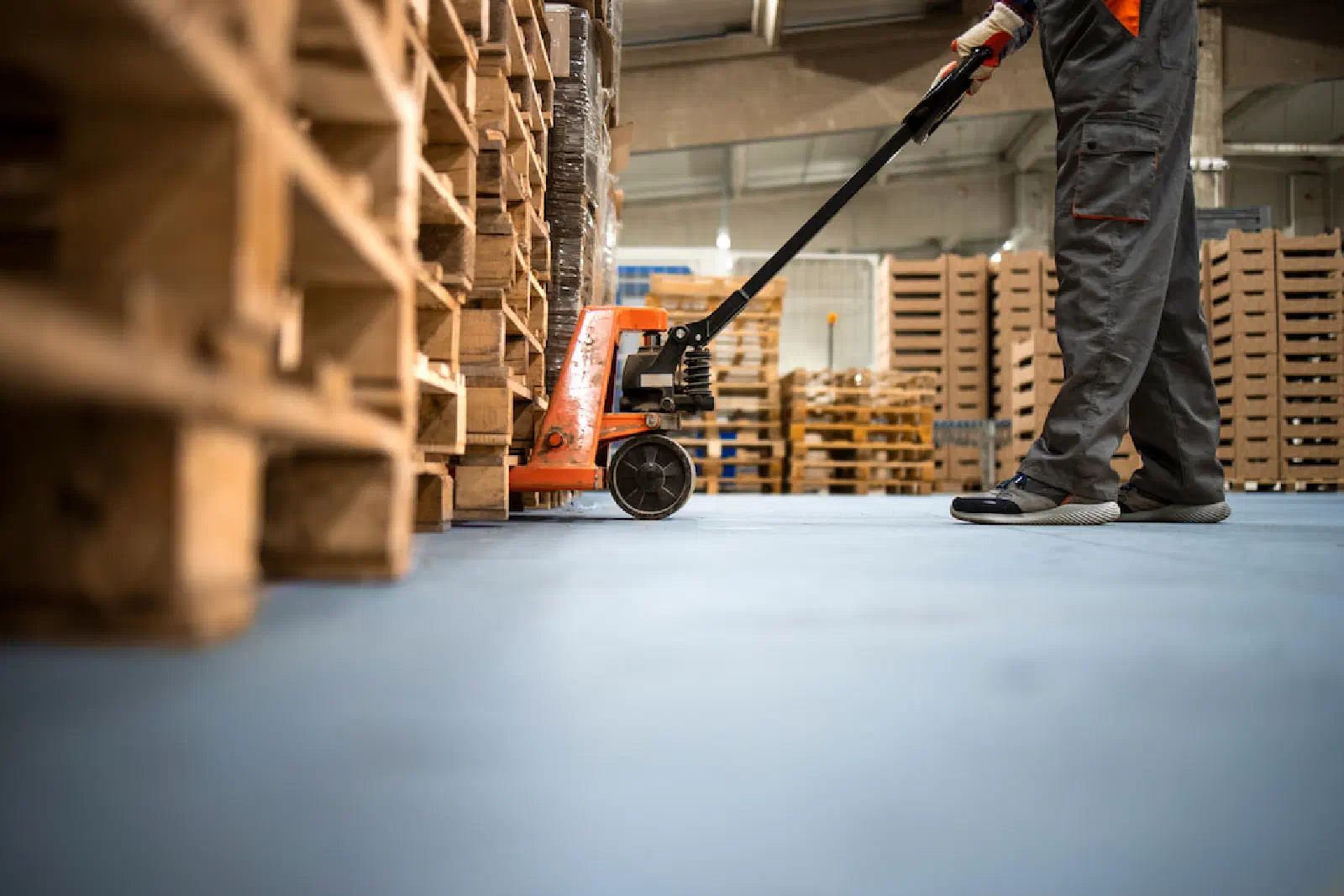
Pallets have extra resistance compared to skids, so the pallet and load are both less likely to slide or slip. Pallets are intended to be picked up and moved by many different machines, such as forklifts. This means they can be stacked when loaded. While pallets and skids are both useful, the fact that pallets can be stacked is a deciding factor for many.
Conclusion
Will, it really matter if you use a pallet or skid When you store or transport your products and goods, then yes, it absolutely matters. Be sure you utilize the proper wood packaging for your materials and applications. Skids are usually cheaper and easier to drag or move around. However, pallets offer more stability and strength that you can come to trust.
If you need help deciding whether to use skids or pallets, or you just want to find out what each will cost, then consult an expert professional to find out more. They can help you find the right industry solutions.
Frequently Asked Questions
What is the difference between a skid and a pallet?
A pallet has both a top deck and a bottom deck, which makes it more stable and easier to stack. A skid lacks the bottom deck, making it cheaper and easier to drag but less stable for stacking.
When should a shipper use a skid instead of a pallet?
Skids work well for storing or moving heavy equipment across uneven or difficult terrain, since they can be dragged easily and take up less space when nested for storage.
When are pallets the better choice?
Pallets are the better choice when a load needs more stability, strength, or the ability to be stacked safely, since the extra bottom deck spreads weight more evenly and resists sliding.
A compliance-first guide to the four permit types for oversized and overweight transport — what triggers each one, how state rules differ, and how to avoid the lead-time mistakes that strand loads on the shoulder.
A field guide to 20 major North American carrier networks—and how brokers can use carrier knowledge to find stronger lanes, better capacity, and new shipper opportunities.
Data center freight includes server racks, switchgear, generators, chillers, UPS systems, cable, and replacement parts that must arrive on schedule, intact, and visible from pickup to delivery.
Read article→
This website uses cookies to improve functionality and user experience. By continuing to use this site, you acknowledge our use of cookies. See our
privacy policy.

 Ask anyone involved in
  A pallet might be a better choice than a skid when your load needs more support, strength, and stability. A double-deck design with stringers lets a pallet provide additional support. It can carry more weight and still not collapse. This is particularly true when weight is spread unevenly across the pallet deck.