FOB means Free On Board and helps define when delivery responsibility and risk transfer from seller to buyer. In domestic freight conversations, people often use FOB origin and FOB destination to describe where responsibility changes hands. In current Incoterms 2020 usage, FOB remains a sea and inland waterway term tied to a named port of loading, while FCA is often the better option for containerized shipments.
Table Of ContentsFOB is one of the most common shipping terms on freight paperwork, but it is also one of the easiest to misunderstand. If you are trying to figure out who owns the risk, who pays the freight charges, or when responsibility transfers from seller to buyer, FOB is the term to watch.
You will usually see FOB paired with a location and a payment term. Together, those details explain whether responsibility changes hands at the shipping point or at the destination, and whether freight is collected or prepaid.
This guide breaks down the FOB meaning, the difference between FOB origin and FOB destination, and how the term appears in real freight documents.
FOB Definition
FOB usually stands for “free on board.” In practical shipping terms, FOB is used to define the point where responsibility for the shipment transfers from the seller to the buyer.
That matters because the FOB term helps answer three important questions:
Who is responsible for the goods during transit
When that responsibility changes hands
Who pays the freight charges under the agreed terms
You may also hear “freight on board” used casually, but “free on board” is the more standard meaning in shipping and trade discussions.
Free on Board
Free on board identifies the transfer point for liability and ownership. The named location matters because it shows whether the seller keeps responsibility until pickup, loading, port departure, or final delivery, depending on how the transaction is written.
For example, if shipping paperwork says “FOB origin,” responsibility usually transfers once the shipment leaves the seller’s location or is handed to the carrier at the named shipping point. If it says “FOB destination,” the seller generally keeps responsibility until the freight reaches the agreed destination.
Freight on Board
“Freight on board” is often used informally as a substitute for free on board. In everyday conversation, people may use the two phrases interchangeably, but the key point remains the same: the term is being used to explain delivery responsibility and freight risk.
FOB and Current Incoterms Context
If you are dealing with international freight, it is important to separate casual freight shorthand from formal Incoterms usage. Under Incoterms 2020, FOB is still a current rule, but it is intended for sea and inland waterway transport and is tied to a named port of loading.
That matters because many containerized shipments are better written under FCA instead of FOB. In practice, shippers still say “FOB” in domestic freight conversations, but in a formal international sale contract, the exact rule and named place should be chosen carefully.
How Is “FOB” Used in Shipping Documents?
The term “FOB” is usually shown with a location and a freight payment instruction. Common examples include:
FOB [place of origin], Freight Collect
FOB [place of origin], Freight Prepaid
FOB [place of destination], Freight Collect
FOB [place of destination], Freight Prepaid
These combinations tell you both where responsibility changes hands and who is expected to pay the transportation charges.
Shipping Point vs Destination
The most important difference between FOB shipping point and FOB destination is timing.
With FOB origin, the buyer typically assumes risk once the shipment leaves the seller or is picked up by the carrier.
With FOB destination, the seller typically remains responsible until the goods are delivered to the destination named in the agreement.
That distinction can affect claims, insurance questions, and how disputes are handled when freight is delayed or damaged. It is one reason clear shipping documents matter so much.
Freight Collect vs Freight Prepaid
Freight collect and freight prepaid explain who pays the transportation bill.
Freight Collect means the receiver is responsible for the freight charges.
Freight Prepaid means the shipper or seller pays the freight charges up front.
This payment language is related to FOB, but it is not always identical to the risk transfer point. That is why it is important to read the full term rather than assume one part answers everything.
Example
Here is a simple way to think about it in practice.
Imagine a boutique in Texas buying goods from a manufacturer in Japan. If the shipping documents say “FOB shipping point,” the boutique may assume the risk once the cargo is handed over at the origin point, which means the buyer would typically need to think about transit risk and insurance from that point forward.
If the shipment is labeled “FOB destination,” the seller may remain responsible until the freight reaches the delivery destination. That changes who is exposed if a delay, loss, or damage claim comes up in transit.
At the end of the day, the FOB term is there to remove ambiguity and create a clearer logistics process for both parties.
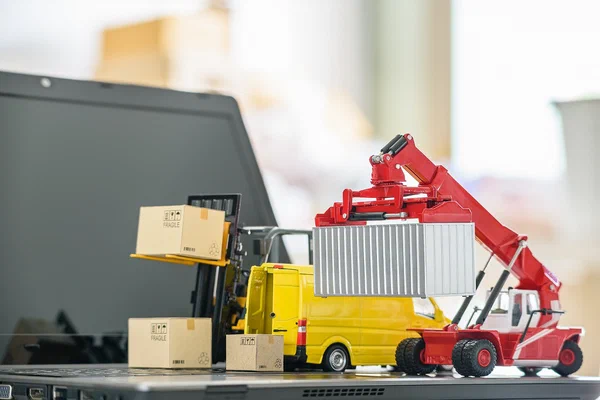
FOB shipping and transportation example
Why FOB Matters
FOB matters because it helps prevent confusion before a problem happens. When freight is delayed, damaged, or disputed, everyone involved immediately wants to know who carried the risk at that stage of the move.
Clear FOB terms can help with:
Claims handling
Insurance decisions
Internal accounting
Delivery disputes
Buyer and seller expectations
Without that clarity, even a routine shipment can create avoidable back-and-forth.
Why Understanding FOB Terms Is Essential
The most important reason to understand FOB terms is that they spell out exactly who is responsible for costs, and who needs to take action if products are harmed or lost during shipping. For example, if you’ve agreed to FOB shipping point (also called FOB origin), you as the buyer assume risk once the goods are handed to the carrier. In this case, if the shipment arrives damaged and you refuse delivery, you could inadvertently violate your agreement—since the risk passed to you at the origin.
These terms aren’t just legal fine print—they help both buyers and sellers set expectations and clearly define who bears the risk at every stage. While shipping terms can seem confusing at first glance, they’re essential tools for reducing surprises and making sure everyone knows their responsibilities before, during, and after transit.
Other Key Shipping Terms to Know
While FOB gets a lot of attention in shipping paperwork, it’s far from the only freight term you’ll encounter. A few other important shipping terms worth knowing include:
DDP (Delivered Duty Paid): The seller takes on maximum responsibility, covering all costs—including shipping, insurance, and duties—until the goods reach the buyer’s door. DDP is common in international trade when the seller agrees to handle all customs clearance and import taxes.
FCA (Free Carrier): Here, the seller delivers goods to a carrier or another nominated party at a named location. FCA is often a better fit than FOB for containerized shipping, as it allows for transfer of risk earlier in the process.
EXW (Ex Works): Under EXW, the buyer takes on almost all responsibility. The seller merely makes the goods available at their own premises, and the buyer manages everything from loading to final delivery.
CIF (Cost, Insurance, and Freight): The seller covers the cost, insurance, and freight to bring the goods to the port of destination, but risk transfers to the buyer once the goods are loaded onto the shipping vessel.
CFR (Cost and Freight): Similar to CIF, except the seller is not responsible for insurance. The risk passes to the buyer once the cargo is loaded, but the seller pays the freight costs to the destination port.
Understanding these and other Incoterms can make it much easier to navigate contracts, minimize surprises, and ensure both sides are clear about who handles what. If you’re diving deeper into shipping strategy, brushing up on terms like DAT (Delivered at Terminal), DAP (Delivered at Place), and CIP (Carriage and Insurance Paid To) is also a smart move. For the transportation side of a move, see how freight shipping options fit the shipment’s equipment, timing, and handling needs.
FAQ
What does FOB mean in shipping?
FOB means Free On Board. It identifies where delivery responsibility and risk transfer from the seller to the buyer, but the precise meaning depends on the full shipping term and the named location.
What is the difference between FOB origin and FOB destination?
With FOB origin, the buyer typically assumes risk once the shipment leaves the seller or is handed to the carrier at the named origin point. With FOB destination, the seller usually remains responsible until the freight reaches the agreed destination.
Is FOB still used under Incoterms 2020?
Yes. FOB is still a current Incoterms 2020 rule, but it is intended for sea and inland waterway transport and is tied to a named port of loading. For many containerized shipments, FCA is often the better fit.
Conclusion
If you have ever wondered what FOB means in shipping, the short answer is that it identifies where responsibility changes hands and helps clarify who pays what. The longer answer depends on the full phrase, especially whether the shipment is FOB origin or FOB destination and whether freight is prepaid or collected.
If you need help understanding shipping paperwork or planning your next move, Cowtown Logistics can help you coordinate the transportation side clearly and practically. You can get a freight transportation quote to start planning the shipment.
A compliance-first guide to the four permit types for oversized and overweight transport — what triggers each one, how state rules differ, and how to avoid the lead-time mistakes that strand loads on the shoulder.
A field guide to 20 major North American carrier networks—and how brokers can use carrier knowledge to find stronger lanes, better capacity, and new shipper opportunities.
Data center freight includes server racks, switchgear, generators, chillers, UPS systems, cable, and replacement parts that must arrive on schedule, intact, and visible from pickup to delivery.
Read article→
This website uses cookies to improve functionality and user experience. By continuing to use this site, you acknowledge our use of cookies. See our
privacy policy.