Dallas–Fort Worth · Nationwide Coverage

Freight Insights Trusted by Titans.

Cowtown Logistics is a technology-driven 3PL connecting shippers, carriers, and agents across North America — with the speed and reliability the industry demands.

Intermodal vs OTR Freight Shipping: Pros and Cons

Intermodal vs OTR Freight Shipping: Pros and Cons

Freight shipping is important in this country. Ground transportation includes over the road transportation or intermodal cargo shipping (truck, rail). Over the road freight shipping offers safety, security, flexibility, and size. We have made a guide to compare the pros and cons of trains vs trucks.

What Is Over the Road (OTR) Transportation?

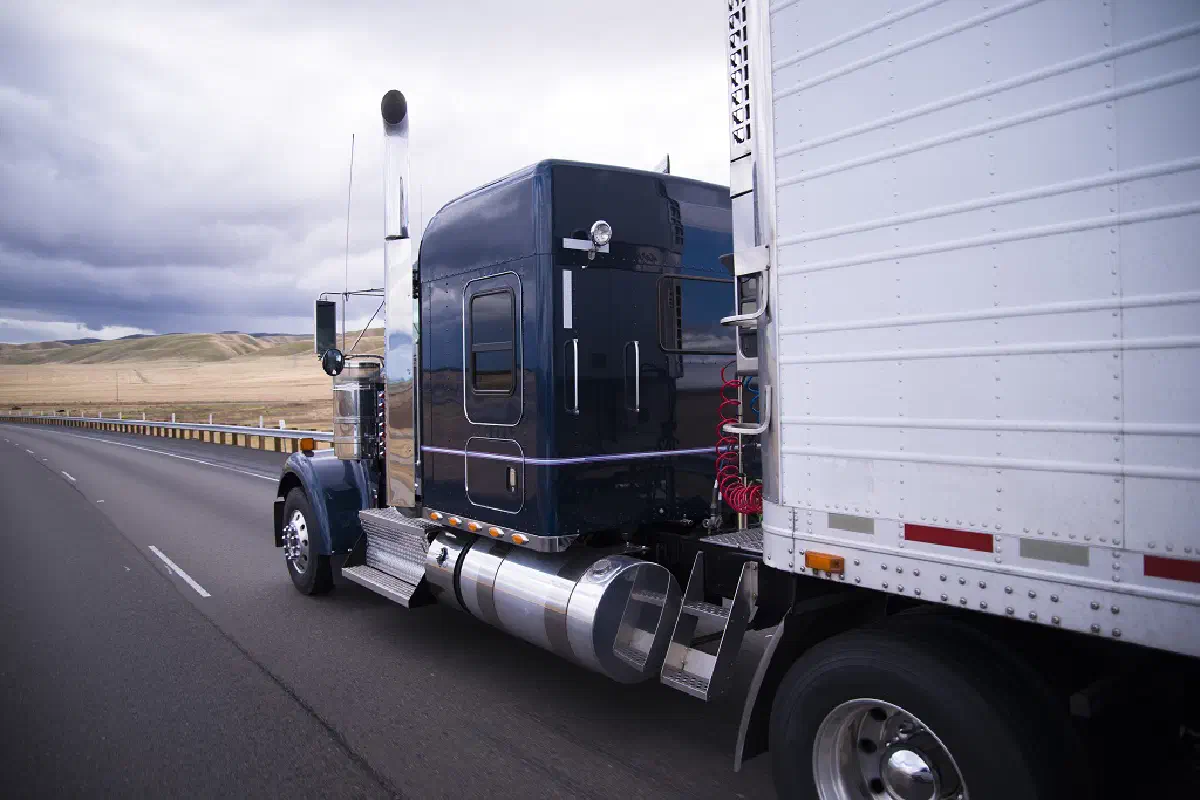
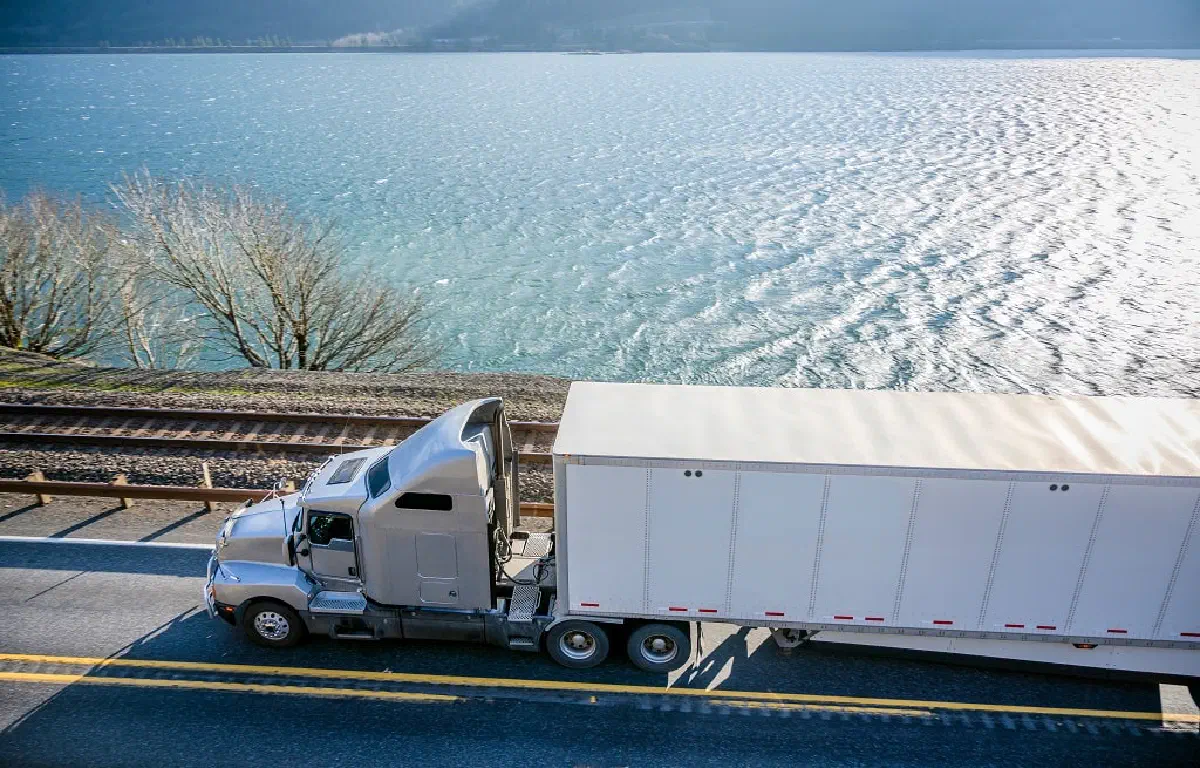
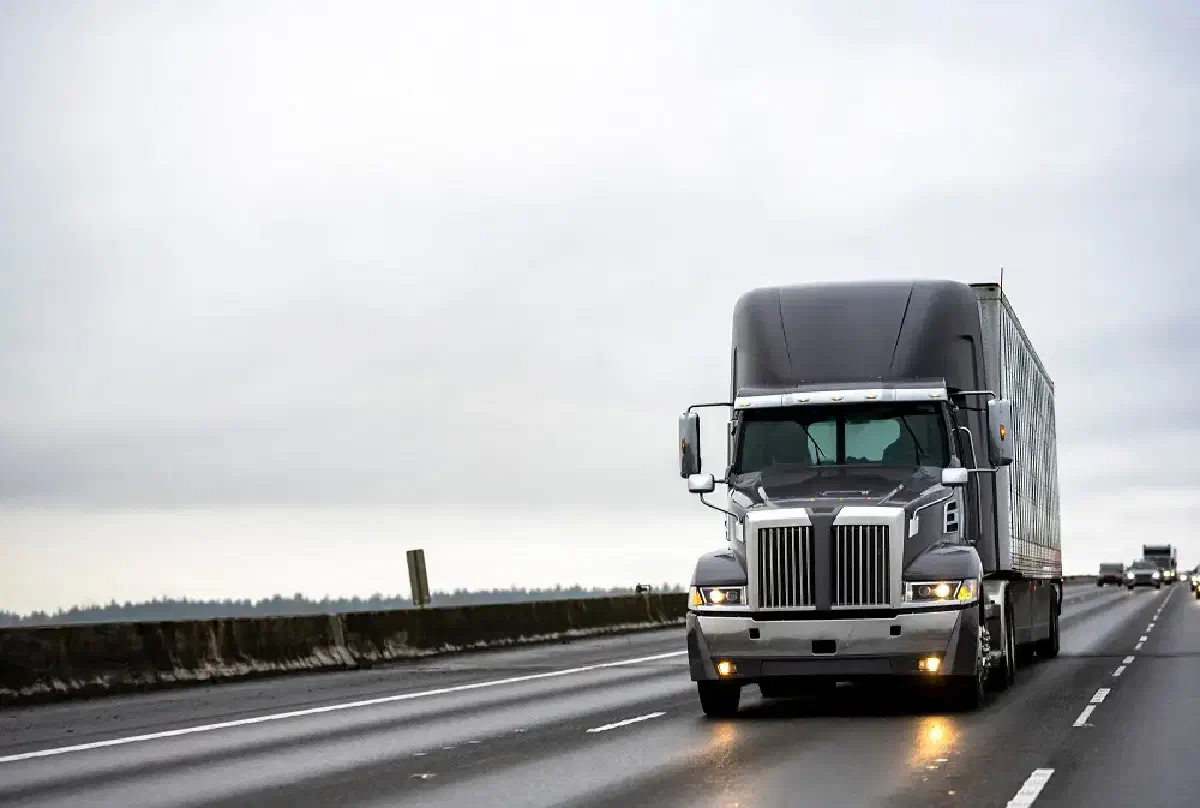
Over the road transportation refers to freight transported only by truck over long distances. OTR transportation requires drivers on the road for several days, driving hundreds of miles, and hauling a variety of freight. Over the road transportation is ideal as a major ground transportation option.

More ...

Legal Axle Weight Limits for Trucks: Federal Rules and State Basics

Legal Axle Weight Limits for Trucks: Federal Rules and State Basics

Legal axle weight limits matter because compliance is not just about total gross weight. Where the weight sits on the truck and trailer can determine whether a load moves legally, requires a permit, or has to be reworked before it ever leaves the yard.

For shippers and carriers handling heavy haul trucking services , axle weight planning protects drivers, infrastructure, schedules, and budgets. A load can be within an overall gross limit and still create a compliance problem if the axle groups are overloaded.

More ...

Shipping Lingo Explained: Most Common Shipping Terms Used in Freight Industry

Shipping Lingo Explained: Most Common Shipping Terms Used in Freight Industry

In the world of shipping freight , there are many common shipping terms. Shipping lingo might seem like a language all its own, but knowing what these freight terms actually mean is important to your success.

A

  • Accessorial: Extra services on freight shipments.
  • Accessorial Charges: Charges for extra services.
  • Accounts Payable: Billing department personnel that make payments.
  • Accounts Receivable: Personnel in the billing department collecting payments.
  • Adjustments: Costs happening after shipment delivery.
  • Agent: Professional with some decision-making authority to represent someone else.
  • Air Bill: Air transportation documentation about shipment.
  • Air Cargo: Freight that flies by plane.
  • Air Freight Forwarder: Indirect air carriers who do pickup and deliveries.
  • Arrival Notice: Agents receive these when cargo is at its destination.
  • Articles of Extraordinary Value: Must be listed in published classifications for liability coverage.
  • Auditing: Determines additional charges prior to the final bill.
  • Axle Load: Weight that freight puts on roads.

B

  • Backhaul: Transit for repositioning a truck after an initial load.
  • Beneficial Owner: Property rights of freight belonging to someone else other than the shipper.
  • Billing: Business department handling payment and invoices.
  • Bill of Lading: BOL documentation is given to the carrier when freight is picked up.
  • Blind Shipment: The receiver and shipper aren’t aware of each other.
  • Blocking and Bracing: Wood or other supports that keep shipments in their place during transit.
  • Bogie: Rail shipping terms for a wheeled frame to move containers.
  • Bonded Warehouse: Customs warehouse to keep imports until duties are paid.
  • Bracing: Technique to secure freight in a full truck.
  • Breaking Bulk: One heap is distributed from a single shipper to various agents.
  • Break Bulk Point: Place where break bulks happen.
  • Broker: 3PL connects customers with carriers.
  • Brokerage License: Mandatory document brokers need to make arrangements for freight shipping.
  • Bulk Freight: Not in containers or packages.
  • Bundle: Products grouped together, usually unassembled.
  • Business to Business: B2B shipments happen between companies.

C

shipping lingo

More ...

Choosing a Warehousing Service Provider: Warehouse Selection Tips

Choosing a Warehousing Service Provider: Warehouse Selection Tips

The acquisition of an adequate warehouse facility, which can cost well into the millions of dollars even for a modestly sized space, is an expensive endeavor. Think about all the factors to consider in warehouse layout alone!

Additionally, there are ancillary expenses like equipment purchases, building maintenance, and staffing costs. However, a third-party logistics provider already has the necessary infrastructure and personnel.

Although it costs money to partner with them, 3PLs offer a proven, tested, and optimized service. In addition to being faster, a partnership approach can be cheaper than setting up internal warehouse space from scratch.

More ...

The Future of Logistics Industry: New Logistics Technologies that Will Improve Your Supply Chain

The Future of Logistics Industry: New Logistics Technologies that Will Improve Your Supply Chain

The logistics industry is leaning into future supply chain tracking with advanced technologies. New logistic tracking technologies are capable of monitoring the location and status of cargo in real-time. This means the future of the logistics industry is one where things move more efficiently and get to where they need to be faster.

The change made possible by just this type of supply chain and logistics technology is staged to break new ground and shape future logistics. The logistics services leading the pack are poised and ready to adopt new logistics technologies like the ones discussed below.

More ...

What Is Double Brokering and How to Avoid it?

What Is Double Brokering and How to Avoid it?

Recognizing the risks associated with double brokering is a challenging aspect of the freight brokering process. It is important to understand what double brokering is to recognize double-brokered loads. In simple terms, double brokering is the unauthorized re-brokering of a shipping load to an alternative trucking company. Double brokered loads are illegal, with a possible penalty for double brokering.

What Is Double Brokering?

Double brokering occurs when a freight broker offers a load to a specific carrier and that carrier assigns the load to another carrier. Double brokering loads is a questionable practice and is different than the brokerage process of co-brokering. An important distinction is that double brokering is not done with the consent of the company doing the shipping. In double brokering, the shipping company is unaware of the double-brokered load status. There are many risk factors associated with double brokering and also laws on double brokering freight. Understanding the double brokering process can help a person avoid the potential consequences of double-brokered loads.

More ...

What Is Dimensional Weight and How Is It Calculated?

What Is Dimensional Weight and How Is It Calculated?

What is dimensional weight? How is it calculated? This can factor into the price of your freight shipping , so knowing a few things about it can help you plan your business expenses better in the future.

What Is Dimensional Weight?

Dimensional weight is also known as volumetric weight or DIM weight. It’s a pricing method utilized by postal services and commercial freight companies. Carriers that only focus on the weight dimension might run the risk of carrying lighter packages that take up a lot of room, and that can result in losses to them. So, they focus on a combination of the weight and dimensions of a package based on the density of a package rather than just size or weight alone.

More ...

How Many Pallets Fit on a 53 Foot Trailer and How to Optimize Your Dry Van Space?

How Many Pallets Fit on a 53 Foot Trailer and How to Optimize Your Dry Van Space?

A versatile stack trailer can move a variety of goods. With this essential piece of equipment, your business can transport anything from household supplies to food and beverage products, and anything in between. When a pallet load is shipped on a dry van trailer, and packed correctly, moving pallets is also cost-effective.

No matter what you’re shipping or how many pallets fit on a truck, the success of your dry van freight shipping comes down to strategic planning. In this article, we’ll dive into how many pallets fit on a 53 foot trailer and what you can do to ensure your dry van freight shipment goes off without a hitch.

More ...

Oversized Loads 101: Over Dimensional Freight Shipping Best Practices and Considerations

Oversized Loads 101: Over Dimensional Freight Shipping Best Practices and Considerations

Oversized truck loads are challenging to ship. When shipping a wide load, you must take the proper precautions and preparations. If not, you risk losing oversized shipments or overpaying.

Shipping massive items such as military equipment, vehicles, construction machines, agricultural machinery, etc. are complicated. These large and heavy items often exceed the standard height, weight, and dimensional guidelines for regular cargo.

Although it may seem like you’re courting disaster if you must ship over-dimensional cargo, incident-free and in-budget oversized freight shipping are possible. Keep reading to learn the best way to ship heavy items from the shipping experts at Cowtown Logistics.

More ...

What Is Flatbed Shipping: A Full Guide

What Is Flatbed Shipping: A Full Guide

Have you ever shipped large, oversized items before? Then you’ve probably heard of flatbed shipping. This shipping method is wonderful for industries with larger equipment and shipments, such as with industrial work, as well as shipments that are just too big for LTL shipping .

But what is a flatbed shipping method really? In this guide, we will explain what a flatbed is, when it’s best used, and all the benefits of this shipping choice. Check it out!

More ...

Best Holiday Shipping Tips for Businesses and Customers: The Holiday Shipping Guide

Best Holiday Shipping Tips for Businesses and Customers: The Holiday Shipping Guide

No ecommerce holiday is as big as Christmas. Although, it might be accurate to say the Christmas season is bigger than anything. While a lot of gift giving happens on Christmas Day, the whole season includes holidays from other cultures and faiths, New Year’s, Thanksgiving, and even Halloween to some degree. Being ready for holiday freight shipping is necessary for your business to take advantage of all of this. Effective communication, seasonal adjustments to your rates, and bracing for delays are all good ideas.

More ...

What Is a Conestoga Trailer?

What Is a Conestoga Trailer?

Over the years, the trucking industry continues to evolve, creating more shipping solutions to meet customer needs. Every freight has its specific characteristics and requirements, from size to weight to protective needs. With all of these specifications, the industry has provided an array of trucks and trailers to cater to them. A great example of this is the Conestoga truck.

But what is a Conestoga truck , and which type of Conestoga is right for your shipment? It’s important to find the right trailer to save you money and get your goods to their destination safely and efficiently. We know that researching and choosing the right one can be overwhelming, so we’ve put together some quick facts and figures to help you determine the right way to go.

More ...

What Is Freight Insurance in Shipping and What Does It Cover?

What Is Freight Insurance in Shipping and What Does It Cover?

If freight shipping is part of your business, then you need to get certain aspects of it right. Not only do you need to get goods to their destinations within a reasonable amount of time, but you also need to make sure they arrive there in good condition. Insurance for freight is available, and you should utilize it to protect your brand when things go awry. Cost insurance and freight losses are a part of the trade, but you can protect the company’s interests.

More ...

Retail Logistics 101: Tips to Improve Your Retail Supply Chain Management

Retail Logistics 101: Tips to Improve Your Retail Supply Chain Management

Retail supply chain issues have complicated the sector in recent years, but consumer demands haven’t changed. They want home delivery for many things, curbside pickup at certain stores, and the ability to buy clothes online knowing they can return them if they don’t fit.

What is retail logistics? It’s the ability to keep your business stocked with the supplies and goods you need to provide products and services to your customers. Having the right logistics solutions in place makes this much easier to accomplish.

More ...

What Is Refrigerated Trucking and What Are Its Benefits for Business

What Is Refrigerated Trucking and What Are Its Benefits for Business

Transporting perishable goods in or from a warm area, like Texas for example, is a recipe for disaster. No matter how much money you anticipate saving by shipping perishable items with non-perishable items, it isn’t worth ruining your goods.

Warm weather presents logistical challenges for transporting perishables from a place like Texas, but you can easily avoid these challenges by using refrigerated trucking services. A refrigerated freight ensures that your shipment won’t spoil before it arrives at its eventual destination. Two different shipments might seem like a high cost, but in reality, your goods will be better protected and last longer, saving you more money in the long run.

More ...

What Is LTL Freight Shipping ‌and‌ ‌How Is It Different from the FTL Freight Shipping?‌

What Is LTL Freight Shipping ‌and‌ ‌How Is It Different from the FTL Freight Shipping?‌

Ever wonder how small businesses get their products from one place to the next? From distribution to packages sent to retailers and customers across the world, small businesses rely on boxes, crates, and pallets to ensure their goods get delivered safely and on time. But how exactly is this done?

With LTL freight shipping , these businesses can ship large quantities of their goods or the bulkier items they have at a more affordable cost. With allocated space on a truck to ship their goods, LTL shipping makes their processes more efficient.

More ...

How to Prepare Your Electronics for Shipping:  the Electronics Packaging Guide

How to Prepare Your Electronics for Shipping: the Electronics Packaging Guide

It is essential to exercise caution when handling electronic items during shipping because they are fragile. The most common cause of damage to electronic goods during shipping is improper electronics packaging.

Electronic devices have sensitive components vulnerable to damage from various environmental factors, including temperature, motion, and g-forces.

Putting a “fragile” stamp on your package won’t increase the likelihood that it will be dealt with more caution. So, what else should you do to prevent your electronics’ shipping from getting damaged?

More ...

Auto Parts Shipping Guide: How to Pack and Transport Automotive Parts

Auto Parts Shipping Guide: How to Pack and Transport Automotive Parts

The car part industry is rapidly growing as more and more people need parts for new or old cars. Vintage car parts, rebuilding or redesigning a vehicle can require rare and unique parts. If you are a car part seller or have a business that includes selling car parts, you must know how to ship car parts.

Many people conduct car parts selling business online, so auto parts freight shipping has become an integral part of their business. Auto parts can be as big as engines or small components of various sizes and types. These parts are heavy and do not have a proper shape, so the best way to ship car parts is in bulk quantities using FTL shipping to save money and time.

More ...